
How to Incorporate Stretching into Your Workout Routine

 By Aditi Sharma |
 4 min read
|15 Dec 2025Stretching is a crucial component of any workout routine that enhances flexibility, improves range of motion, and reduces the risk of injury. Incorporating stretching into your exercise regimen can help you achieve better performance and quicker recovery. Here’s how you can effectively include stretching in your workout routine.
Types of Stretching
Understanding the different types of stretching can help you choose the right approach for your workout:
Static Stretching:
This involves holding a stretch in a specific position for a set amount of time, usually between 15 to 60 seconds. Static stretching is best performed after your workout to help relax and lengthen your muscles.
Dynamic Stretching:
Dynamic stretching involves moving parts of your body through their full range of motion. It is ideal for warming up before a workout, as it helps increase blood flow and prepare your muscles for exercise.
Incorporating Stretching into Your Routine
Here’s how you can effectively incorporate stretching into your workout routine:
Warm-Up Stretching:
Start with dynamic stretching to prepare your body for exercise. Incorporate movements like leg swings, arm circles, and torso twists to increase your heart rate and loosen up your muscles. Spend 5-10 minutes on this before beginning your main workout.
During Your Workout:
If you’re engaging in high-intensity or strength training, consider adding brief stretching breaks between sets. For example, after performing a set of squats, you might do a set of standing hamstring stretches to help maintain flexibility and reduce muscle tightness.
Cool-Down Stretching:
After completing your workout, spend 5-10 minutes performing static stretches to help your muscles relax and recover. Focus on major muscle groups worked during your session. For instance, after a lower body workout, include stretches like the quadriceps stretch, hamstring stretch, and calf stretch.
Stretching Exercises to Include
Here are some effective stretching exercises to incorporate into your routine:
Hamstring Stretch:
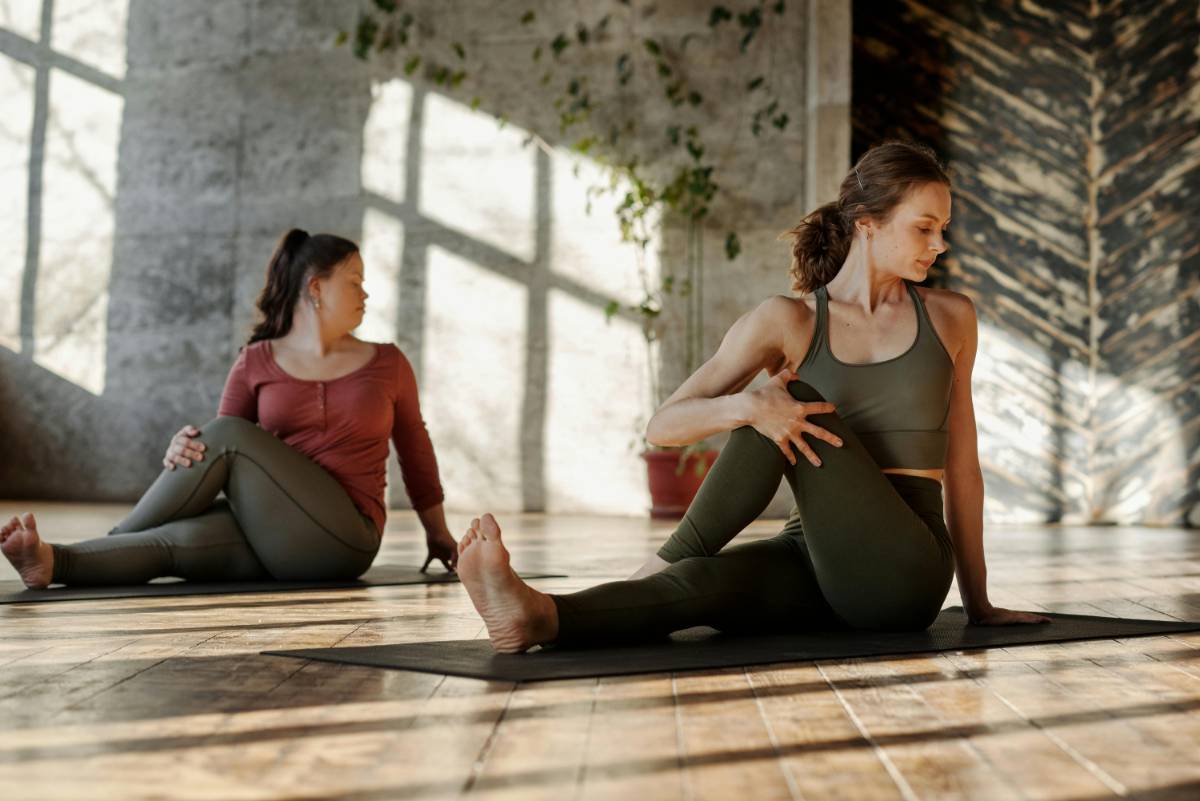
Sit on the floor with one leg extended and the other leg bent, with the sole of your foot against your inner thigh. Reach towards your extended leg while keeping your back straight. Hold for 20-30 seconds on each side.
Quadriceps Stretch:
Stand on one leg and grab the ankle of your other leg, pulling it towards your glutes. Keep your knees close together and hold for 20-30 seconds on each side.
Calf Stretch:
Place your hands against a wall and step one foot back, keeping your heel on the ground and your leg straight. Lean forward slightly until you feel a stretch in your calf. Hold for 20-30 seconds on each side.
Chest Stretch:
Stand with your feet shoulder-width apart and extend your arms out to the sides. Gently press your arms back and squeeze your shoulder blades together to stretch your chest. Hold for 20-30 seconds.
Back Stretch:
Sit on the floor with your legs crossed or extended. Reach your arms forward and lower your chest towards the ground to stretch your back. Hold for 20-30 seconds.
Tips for Effective Stretching
Breathe Deeply: Maintain steady, deep breaths to help your muscles relax and enhance the effectiveness of the stretch.
Avoid Bouncing: Stretch in a smooth, controlled manner. Bouncing can cause muscle strain and reduce the effectiveness of the stretch.
Listen to Your Body: Stretch to the point of mild discomfort, not pain. Overstretching can lead to injuries.
Be Consistent: Incorporate stretching regularly into your routine to improve flexibility and prevent muscle tightness.
Use Proper Form: Ensure you’re performing stretches with correct form to avoid injury and maximize benefits.
By incorporating both dynamic and static stretching into your workout routine, you can enhance your flexibility, reduce the risk of injury, and improve overall performance. Make stretching a regular part of your fitness regimen to enjoy its numerous benefits and maintain a balanced, healthy body.
MORE ARTICLES
5 min read | 27 Oct 2025
Tips for Managing Eczema on the Body
Eczema, also known as atopic dermatitis, is a chronic skin condition characterized by inflammation, redness, and itching. It can occur on various parts of the body, including the arms, legs, and torso. Managing eczema effectively involves a combination of skincare practices, lifestyle adjustments, and treatments. This article provides practical tips for managing eczema on the body to help reduce flare-ups and maintain healthy skin.

4 min read | 26 Oct 2025
How to Create a Relaxing Bath Routine
A relaxing bath can be a perfect way to unwind and de-stress after a long day. Creating a calming bath routine involves more than just filling the tub with water; it requires attention to detail and thoughtful choices to enhance your overall experience. This article provides tips and ideas on how to create a relaxing bath routine that promotes relaxation and rejuvenation.
4 min read | 25 Oct 2025
The Role of Essential Oils in Body Care
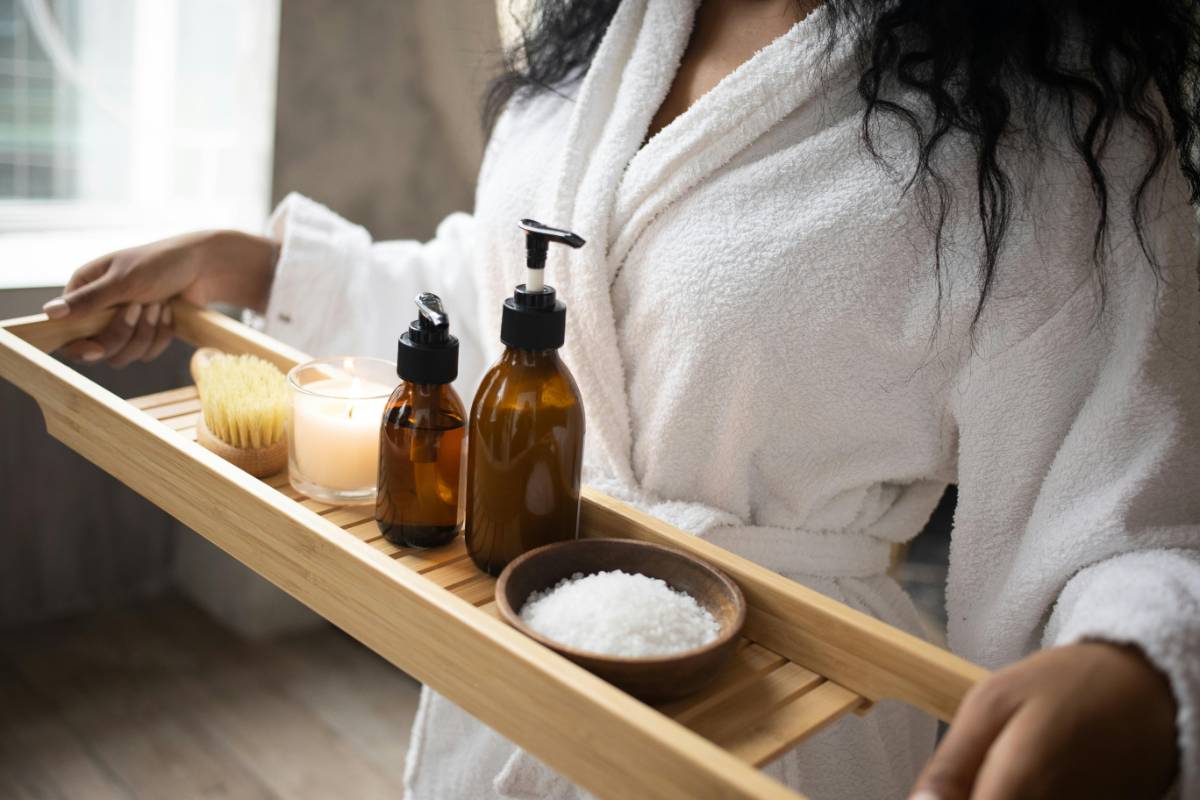
Essential oils have been used for centuries for their therapeutic properties and aromatic benefits. In body care, essential oils play a significant role in enhancing the effectiveness of skincare routines and promoting overall well-being. This article explores the various ways essential oils can be incorporated into body care, their benefits, and tips for safe use.

3 min read | 24 Oct 2025
Best Ingredients for Soothing Dry Skin
Dry skin can be uncomfortable and irritating, leading to flakiness, tightness, and redness. Finding the right ingredients to soothe and hydrate dry skin is essential for maintaining a healthy, balanced complexion. This article highlights the best ingredients for alleviating dry skin and provides tips on how to incorporate them into your skincare routine.

4 min read | 23 Oct 2025
How to Prevent and Treat Body Acne
Body acne, or acne on areas like the back, shoulders, and chest, can be just as frustrating as facial acne. It occurs when hair follicles become clogged with excess oil, dead skin cells, and bacteria. Preventing and treating body acne involves a combination of good skincare practices, lifestyle changes, and targeted treatments. This article provides practical advice on how to prevent and manage body acne effectively.

2 min read | 22 Oct 2025
Importance of Using SPF on Your Body
Using SPF (Sun Protection Factor) on your body is crucial for protecting your skin from the harmful effects of ultraviolet (UV) radiation. UV rays from the sun can cause various skin issues, including sunburn, premature aging, and an increased risk of skin cancer. Incorporating SPF into your daily skincare routine helps safeguard your skin and maintain its health. This article explores the importance of using SPF on your body, its benefits, and how to choose and apply it effectively.
RECENT POSTS
1
Tracking Progress: Beyond the Scale
7 min read | 30 Nov 20252
How to Effectively Use a Food Diary
8 min read | 29 Nov 20253
The Benefits of Using a Fitness Tracker
7 min read | 28 Nov 20254
How to Adapt Weight Loss Strategies for Aging Bodies
6 min read | 27 Nov 20255
Guidelines for Weight Management with Heart Conditions
6 min read | 26 Nov 20256
The Impact of Metabolic Syndrome on Weight Loss Efforts
5 min read | 25 Nov 2025MORE POSTS

HIIT Workouts for Burning Fat Quickly
2 min read | 21 Oct 2025
Creating a Beginner-Friendly HIIT Routine
3 min read | 20 Oct 2025
What is HIIT and Why is it Effective?
4 min read | 19 Oct 2025
How Flexibility Training Can Enhance Strength Workouts
2 min read | 18 Oct 2025
Creating a Daily Stretching Routine for Better Mobility
3 min read | 17 Oct 2025