How Personal Care Routines Can Impact Your Weight Loss Journey

 By Aditi Sharma |
 3 min read
|09 Dec 2025Personal care routines play a crucial role in supporting and enhancing your weight loss journey. While diet and exercise are commonly recognized as the primary factors in weight management, personal care practices can significantly impact your overall health and success in achieving your weight loss goals. Here’s how incorporating personal care routines into your lifestyle can positively affect your weight loss efforts.
Stress Management and Weight Loss
Managing stress is essential for maintaining a healthy weight. Chronic stress can lead to emotional eating, increased cravings for unhealthy foods, and hormonal imbalances that may hinder weight loss. Incorporating stress-reducing personal care practices into your routine can help alleviate stress and support your weight loss journey. Consider the following techniques:
1. Practice Mindfulness and Meditation
Engage in mindfulness and meditation practices to reduce stress and improve emotional well-being. These techniques help you become more aware of your eating habits and emotional triggers, allowing you to make more mindful food choices. Regular meditation can also help manage stress levels and reduce cravings for comfort foods.
2. Prioritize Quality Sleep
Adequate sleep is vital for overall health and effective weight management. Poor sleep can disrupt hunger hormones, leading to increased appetite and cravings for high-calorie foods. Establish a consistent sleep routine, aim for 7-9 hours of quality sleep each night, and create a relaxing bedtime routine to support restful sleep.
3. Set Aside Time for Relaxation
Incorporate relaxation activities into your daily routine to manage stress and promote well-being. Activities such as reading, taking a warm bath, or practicing yoga can help you unwind and reduce stress levels. Finding time for relaxation helps balance your emotional state and supports a healthier approach to weight management.
Self-Care and Healthy Eating
Self-care routines that focus on overall well-being can positively impact your dietary habits. When you prioritize self-care, you are more likely to make healthier food choices and stay committed to your weight loss goals. Here’s how self-care can enhance your eating habits:
1. Develop a Positive Relationship with Food
Self-care practices can help you build a positive relationship with food by fostering a mindful and balanced approach to eating. Avoiding restrictive diets and focusing on nourishing your body with nutrient-dense foods can prevent feelings of deprivation and promote a healthier mindset towards food.
2. Create a Supportive Eating Environment
Transform your eating environment to support your weight loss goals. Create a pleasant and organized space for meals, and practice mindful eating by paying attention to hunger cues and savoring each bite. A supportive eating environment can enhance your enjoyment of healthy foods and encourage more mindful eating habits.
3. Plan and Prepare Meals
Incorporating meal planning and preparation into your self-care routine can help you stay on track with healthy eating. Plan your meals in advance, prepare nutritious options, and avoid impulsive food choices. Meal prepping ensures that you have healthy, convenient options available and reduces the likelihood of reaching for unhealthy snacks.
Exercise and Personal Care
Incorporating personal care practices into your exercise routine can enhance your overall fitness and support weight loss. By focusing on self-care and recovery, you can optimize your workouts and improve your physical well-being. Consider these practices:
1. Include Rest and Recovery
Rest and recovery are essential components of an effective exercise routine. Allow your body time to recover between workouts and incorporate rest days to prevent burnout and reduce the risk of injury. Utilize recovery techniques such as stretching, foam rolling, and relaxation practices to support muscle repair and overall fitness.
2. Stay Hydrated
Proper hydration is crucial for supporting physical performance and overall health. Drink plenty of water before, during, and after exercise to maintain hydration levels and optimize your workouts. Hydration also supports digestion and nutrient absorption, which are important for weight loss and overall well-being.
3. Focus on Consistency and Motivation
Consistency is key to achieving weight loss success. Develop a personal care routine that supports your exercise goals and keeps you motivated. Set realistic fitness goals, track your progress, and celebrate your achievements to stay motivated and committed to your weight loss journey.
Integrating personal care routines into your weight loss journey can have a profound impact on your overall success. By managing stress, prioritizing self-care, and optimizing your exercise routine, you can enhance your well-being and achieve your weight loss goals more effectively. Embrace a holistic approach to health that includes personal care practices to support and sustain your weight loss efforts.
MORE ARTICLES

4 min read | 23 Oct 2025
The Benefits of Keeping a Food Diary
Keeping a food diary is a powerful tool for improving your eating habits and achieving your health goals. By recording everything you eat and drink, you can gain valuable insights into your dietary patterns, identify areas for improvement, and track your progress over time. Here are some of the key benefits of maintaining a food diary:
4 min read | 22 Oct 2025
How to Deal with Temptations and Avoid Binge Eating
Binge eating is a common challenge for many people, especially when faced with tempting foods. Overcoming this behavior requires understanding the triggers, developing healthier coping mechanisms, and building resilience against temptations. Binge eating often occurs in response to emotional stress, boredom, or restrictive dieting. By addressing these underlying causes, you can create a healthier relationship with food and prevent binge episodes.
3 min read | 21 Oct 2025
The Role of Self-Monitoring in Weight Loss
Self-monitoring is a critical component in the journey towards successful weight loss. By keeping track of your eating habits, physical activity, and progress, you become more aware of your behaviors and can make more informed decisions that support your goals. Self-monitoring provides valuable insights into your patterns, helping you identify areas for improvement and celebrate your successes. This practice has been shown to enhance motivation, accountability, and ultimately, the achievement of long-term weight loss.

3 min read | 20 Oct 2025
Mindful Eating: How to Eat with Awareness
Mindful eating is a practice that involves paying full attention to the experience of eating and drinking, both inside and outside the body. It’s about being aware of the colors, smells, textures, flavors, temperatures, and even the sounds of your food. Mindful eating also means being conscious of your thoughts, feelings, and physical sensations while eating, helping you make more deliberate and healthier choices. Here's how you can incorporate mindful eating into your daily routine.
3 min read | 19 Oct 2025
Overcoming Food Cravings: Tips and Tricks
Food cravings are a common experience that can derail even the most disciplined eating habits. Whether it’s the urge for something sweet, salty, or rich, cravings can be difficult to resist. However, with the right strategies, you can overcome these cravings and maintain control over your diet. Here are some effective tips and tricks to help you manage and overcome food cravings.

5 min read | 18 Oct 2025
How to Maintain Weight Loss After Reaching Your Goal
Achieving your weight loss goal is a significant accomplishment, but maintaining that weight loss can be just as challenging, if not more so. Many people find that keeping the weight off requires continued effort and commitment. To help you maintain your weight loss, it’s essential to develop strategies that will support your new, healthier lifestyle in the long term.
RECENT POSTS
1
Benefits of a Low-Sodium Diet
2 min read | 21 Nov 20252
How to Balance Salt and Flavor in Your Meals
5 min read | 20 Nov 20253
The Impact of Salt on Blood Pressure
5 min read | 19 Nov 20254
Tips for Eating Out While Watching Your Sodium Intake
2 min read | 18 Nov 20255
Low-Sodium Alternatives and Substitutes
5 min read | 17 Nov 20256
Understanding the Sodium Content in Processed Foods
4 min read | 16 Nov 2025MORE POSTS
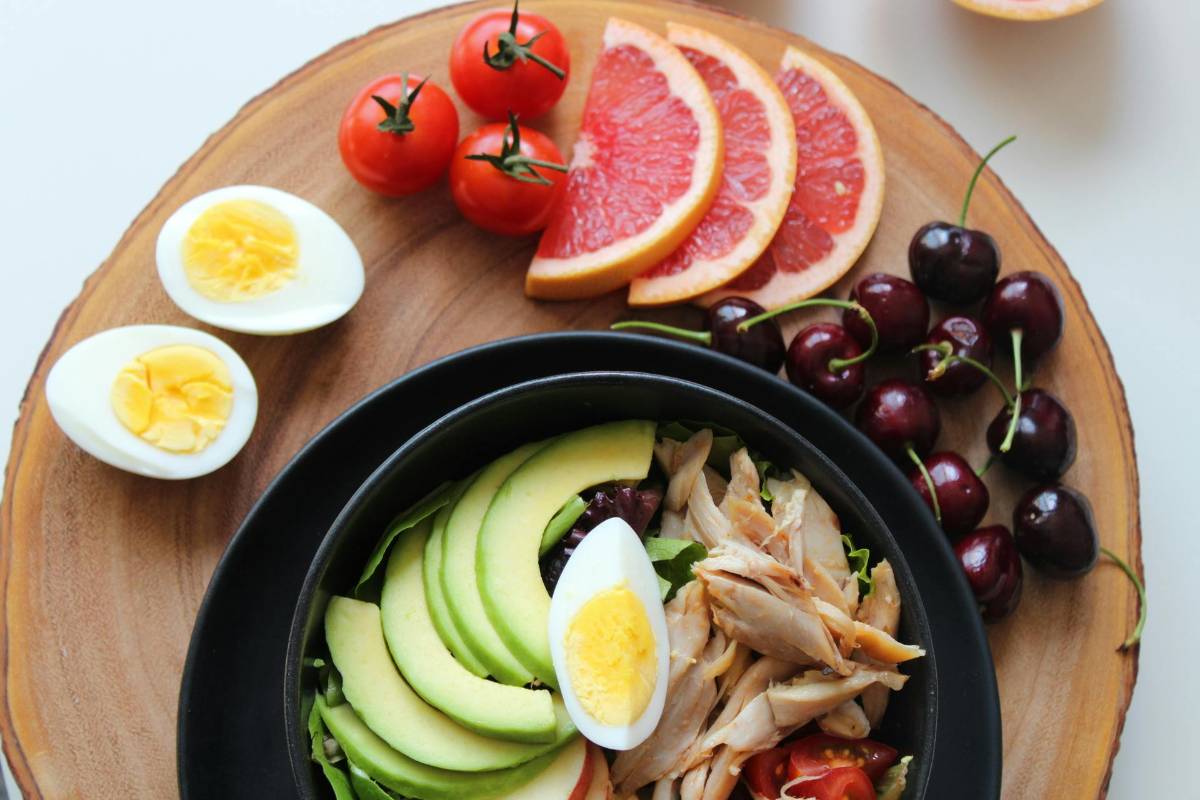
How to Incorporate More Fruits and Vegetables into Your Meals
4 min read | 16 Nov 2025
The Role of Hydration in a Healthy Diet
4 min read | 15 Nov 2025
Healthy Eating on a Budget: Tips and Tricks
4 min read | 14 Nov 2025
How to Transition to a Plant-Based Diet
2 min read | 13 Nov 2025
The Importance of Fiber in Your Diet
4 min read | 12 Nov 2025