Top 10 Healthy Eating Habits for Weight Loss and Fitness

 By Lewis Adam |
 4 min read
|13 Dec 2025Adopting healthy eating habits is crucial for achieving weight loss and fitness goals. A well-balanced diet not only supports weight management but also enhances overall health and performance. Here are the top 10 healthy eating habits to help you stay on track with your weight loss and fitness journey.
1. Plan Your Meals
Meal planning is key to maintaining a balanced diet and preventing impulsive food choices. Plan your meals ahead of time to ensure you include a variety of nutrient-dense foods. Create a weekly menu and grocery list to make healthy eating more convenient and reduce the temptation to opt for unhealthy options.
2. Eat Mindfully
Mindful eating involves paying attention to your hunger and fullness cues and savoring each bite. Avoid distractions such as watching TV or scrolling through your phone while eating. Focus on enjoying your food and eating slowly to help prevent overeating and improve digestion.
3. Prioritize Protein
Incorporating adequate protein into your diet is essential for muscle repair, satiety, and overall weight management. Include lean protein sources such as chicken, fish, tofu, beans, and legumes in your meals. Protein helps keep you full longer and supports muscle growth, which is important for fitness and weight loss.
4. Choose Whole Grains
Whole grains provide essential nutrients, fiber, and sustained energy. Opt for whole grain options like brown rice, quinoa, whole wheat bread, and oats over refined grains. Fiber-rich whole grains help with digestion, stabilize blood sugar levels, and keep you feeling full.
5. Load Up on Vegetables
Vegetables are packed with vitamins, minerals, and fiber while being low in calories. Aim to fill half your plate with a variety of colorful vegetables at each meal. Vegetables provide essential nutrients, support weight loss, and contribute to overall health and fitness.
6. Stay Hydrated
Proper hydration is essential for maintaining energy levels and supporting bodily functions. Drink plenty of water throughout the day to stay hydrated and support your fitness goals. Aim for at least 8 glasses of water daily and adjust based on your activity level and individual needs.
7. Practice Portion Control
Portion control helps manage calorie intake and supports weight loss. Be mindful of portion sizes to avoid overeating. Use smaller plates and bowls to help control portions and listen to your body’s hunger and fullness signals to guide your eating habits.
8. Limit Added Sugars and Processed Foods
Reduce your intake of added sugars and processed foods, which can contribute to weight gain and negatively impact health. Choose whole, unprocessed foods whenever possible and read food labels to identify and avoid hidden sugars and unhealthy additives.
9. Include Healthy Fats
Healthy fats, such as those found in avocados, nuts, seeds, and olive oil, are important for overall health and satiety. Incorporate these healthy fats into your diet in moderation to support heart health and provide long-lasting energy. Avoid trans fats and excessive saturated fats found in processed foods.
10. Eat Regularly and Don’t Skip Meals
Eating regular meals and snacks helps maintain stable blood sugar levels and prevents excessive hunger. Avoid skipping meals, as it can lead to overeating later in the day. Plan balanced meals and snacks that include a mix of protein, carbohydrates, and healthy fats to keep you energized and satisfied.
By adopting these top 10 healthy eating habits, you can support your weight loss and fitness goals while maintaining overall health. Focus on meal planning, mindful eating, and incorporating nutrient-dense foods into your diet. Stay hydrated, practice portion control, and limit processed foods to create a balanced approach to eating that complements your fitness routine. With these habits, you’ll be well on your way to achieving your desired results and enjoying a healthier lifestyle.
MORE ARTICLES

4 min read | 26 Oct 2025
Creating a Supportive Environment for Weight Loss
Creating a supportive environment is crucial for weight loss success. A positive and encouraging environment can help you stay motivated, overcome challenges, and achieve your goals. Here’s how to build a supportive environment that fosters weight loss:

5 min read | 25 Oct 2025
Positive Affirmations for Weight Loss Success
Positive affirmations are powerful tools that can support your weight loss journey by reinforcing a positive mindset and motivating you to achieve your goals. Here’s how to use affirmations effectively to boost your weight loss success:

3 min read | 24 Oct 2025
Understanding and Managing Emotional Triggers
Emotional triggers are events, situations, or stimuli that evoke a strong emotional response, often linked to past experiences or unresolved issues. Recognizing and managing these triggers is essential for maintaining emotional well-being and achieving a balanced life. Here’s a comprehensive guide to understanding and managing emotional triggers:

5 min read | 23 Oct 2025
The Benefits of Keeping a Food Diary
Keeping a food diary is a powerful tool for improving your eating habits and achieving your health goals. By recording everything you eat and drink, you can gain valuable insights into your dietary patterns, identify areas for improvement, and track your progress over time. Here are some of the key benefits of maintaining a food diary:
3 min read | 22 Oct 2025
How to Deal with Temptations and Avoid Binge Eating
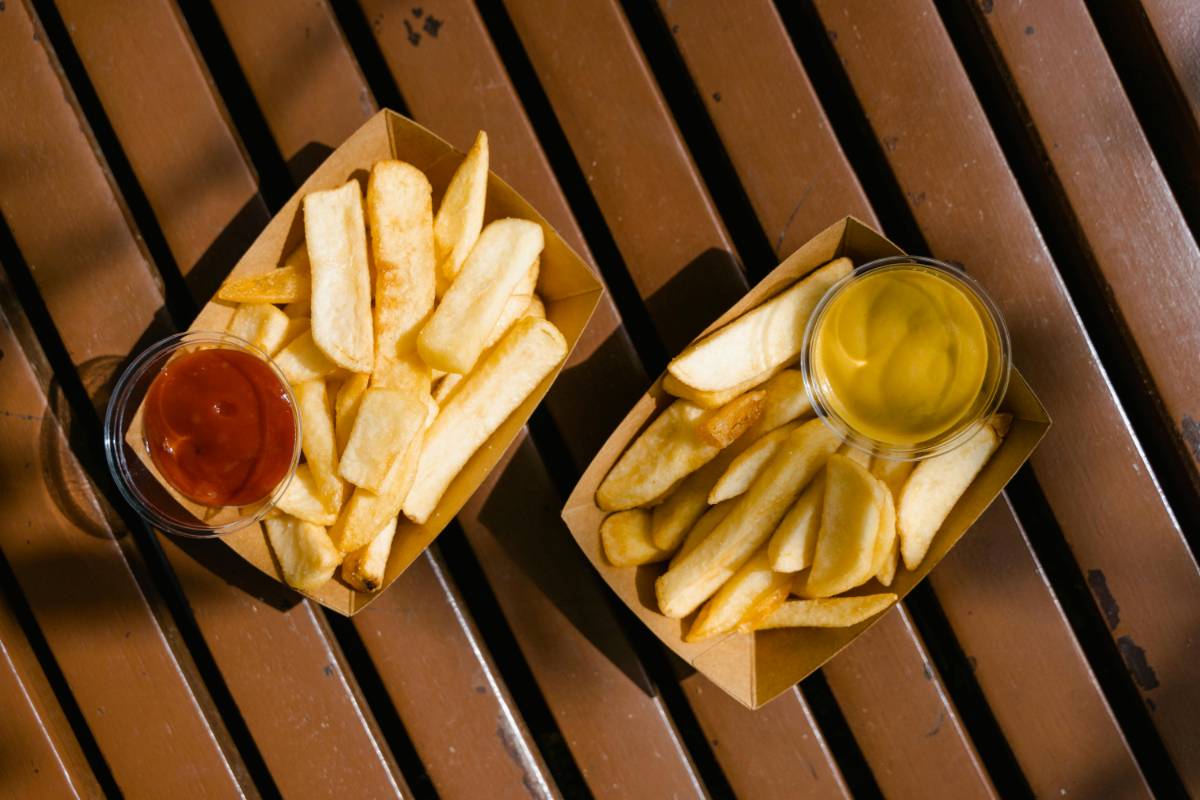
Binge eating is a common challenge for many people, especially when faced with tempting foods. Overcoming this behavior requires understanding the triggers, developing healthier coping mechanisms, and building resilience against temptations. Binge eating often occurs in response to emotional stress, boredom, or restrictive dieting. By addressing these underlying causes, you can create a healthier relationship with food and prevent binge episodes.
2 min read | 21 Oct 2025
The Role of Self-Monitoring in Weight Loss
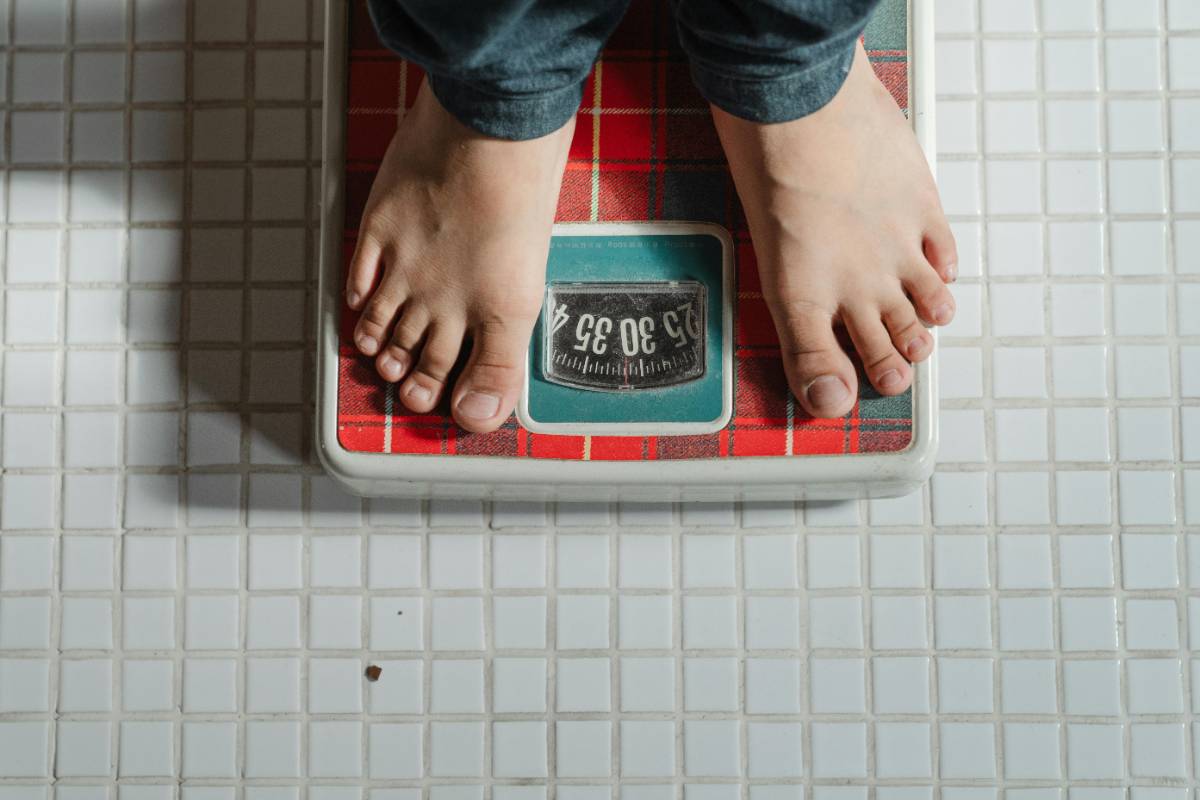
Self-monitoring is a critical component in the journey towards successful weight loss. By keeping track of your eating habits, physical activity, and progress, you become more aware of your behaviors and can make more informed decisions that support your goals. Self-monitoring provides valuable insights into your patterns, helping you identify areas for improvement and celebrate your successes. This practice has been shown to enhance motivation, accountability, and ultimately, the achievement of long-term weight loss.
RECENT POSTS
1
Best Core Exercises for Beginners
5 min read | 09 Nov 20252
The Importance of Core Strength in Fitness
3 min read | 08 Nov 20253
Common Functional Training Exercises and Their Benefits
3 min read | 07 Nov 20254
How to Progress Your Functional Training Routine
3 min read | 06 Nov 20255
The Role of Stability in Functional Training
2 min read | 05 Nov 20256
Functional Training Exercises for Core Strength
4 min read | 04 Nov 2025MORE POSTS

Daily Habits for Healthier Hair
3 min read | 16 Dec 2025
Benefits of Regular Exfoliation for Healthy Skin
5 min read | 15 Dec 2025
How to Create a Relaxing Nighttime Skincare Routine
3 min read | 14 Dec 2025
Top Tips for Managing Stress Through Personal Care
2 min read | 13 Dec 2025
The Importance of Sunscreen: Protecting Your Skin Year-Round
4 min read | 12 Dec 2025