Creating a Holistic Approach: Combining Nutrition, Exercise, and Personal Care

 By Wilson Baker |
 2 min read
|16 Dec 2025A holistic approach to health involves integrating multiple aspects of well-being to create a balanced and fulfilling lifestyle. Combining nutrition, exercise, and personal care can significantly enhance your overall health and quality of life. By addressing these key areas, you can achieve a harmonious balance that supports both physical and mental well-being. Here’s how to create a holistic approach by effectively blending these three essential components.
Nutrition: Fueling Your Body for Optimal Health
Nutrition is the foundation of a healthy lifestyle. Eating a balanced diet provides the essential nutrients your body needs to function properly, support energy levels, and maintain overall health. To create a holistic approach, focus on the following principles:
1. Eat a Variety of Whole Foods
Incorporate a diverse range of whole foods into your diet, including fruits, vegetables, lean proteins, whole grains, and healthy fats. These foods are rich in vitamins, minerals, antioxidants, and other beneficial compounds that support overall health and wellness.
2. Balance Macronutrients
Ensure that your diet includes a healthy balance of carbohydrates, proteins, and fats. Each macronutrient plays a crucial role in your body’s functions and energy levels. Tailor your macronutrient intake to your individual needs, activity level, and fitness goals.
3. Stay Hydrated
Proper hydration is essential for maintaining bodily functions, supporting metabolism, and enhancing exercise performance. Drink plenty of water throughout the day and adjust your fluid intake based on your activity level and environmental conditions.
Exercise: Enhancing Physical Fitness and Well-Being
Regular exercise is a vital component of a holistic approach to health. It improves cardiovascular fitness, builds strength, boosts mood, and supports overall well-being. To effectively integrate exercise into your holistic approach, consider the following:
1. Incorporate a Mix of Activities
Include a variety of exercise types in your routine, such as cardio, strength training, flexibility exercises, and recreational activities. This variety helps target different aspects of fitness and prevents monotony.
2. Set Realistic Goals
Establish achievable fitness goals based on your current fitness level and personal preferences. Setting realistic goals helps maintain motivation and allows for gradual progress. Celebrate your milestones and adjust your goals as needed.
3. Prioritize Rest and Recovery
Rest and recovery are essential for preventing burnout and reducing the risk of injury. Allow your body time to recover between workouts and incorporate rest days into your routine. Utilize recovery techniques such as stretching, foam rolling, and adequate sleep.
Personal Care: Nurturing Your Mind and Body
Personal care goes beyond physical health to encompass mental and emotional well-being. Incorporating personal care practices into your routine helps reduce stress, improve self-esteem, and support overall health. Focus on these aspects:
1. Practice Self-Care
Engage in activities that promote relaxation and self-care, such as meditation, journaling, or spending time in nature. These practices help manage stress, enhance mental clarity, and foster a positive mindset.
2. Develop a Skincare Routine
Maintaining a consistent skincare routine supports healthy skin and overall well-being. Choose skincare products that suit your skin type and address specific concerns. Regular cleansing, moisturizing, and sun protection are essential components of a comprehensive skincare regimen.
3. Manage Stress Effectively
Implement stress management techniques to handle life’s challenges and maintain emotional balance. Techniques such as deep breathing, mindfulness, and setting boundaries can help manage stress and improve overall quality of life.
Combining nutrition, exercise, and personal care into a holistic approach provides a comprehensive strategy for achieving optimal health. By addressing each component thoughtfully, you can create a balanced lifestyle that supports your physical, mental, and emotional well-being. Embrace this integrated approach to enjoy the benefits of a harmonious and fulfilling life.
MORE ARTICLES
3 min read | 12 Dec 2025
Top 10 Weight Loss Myths Debunked
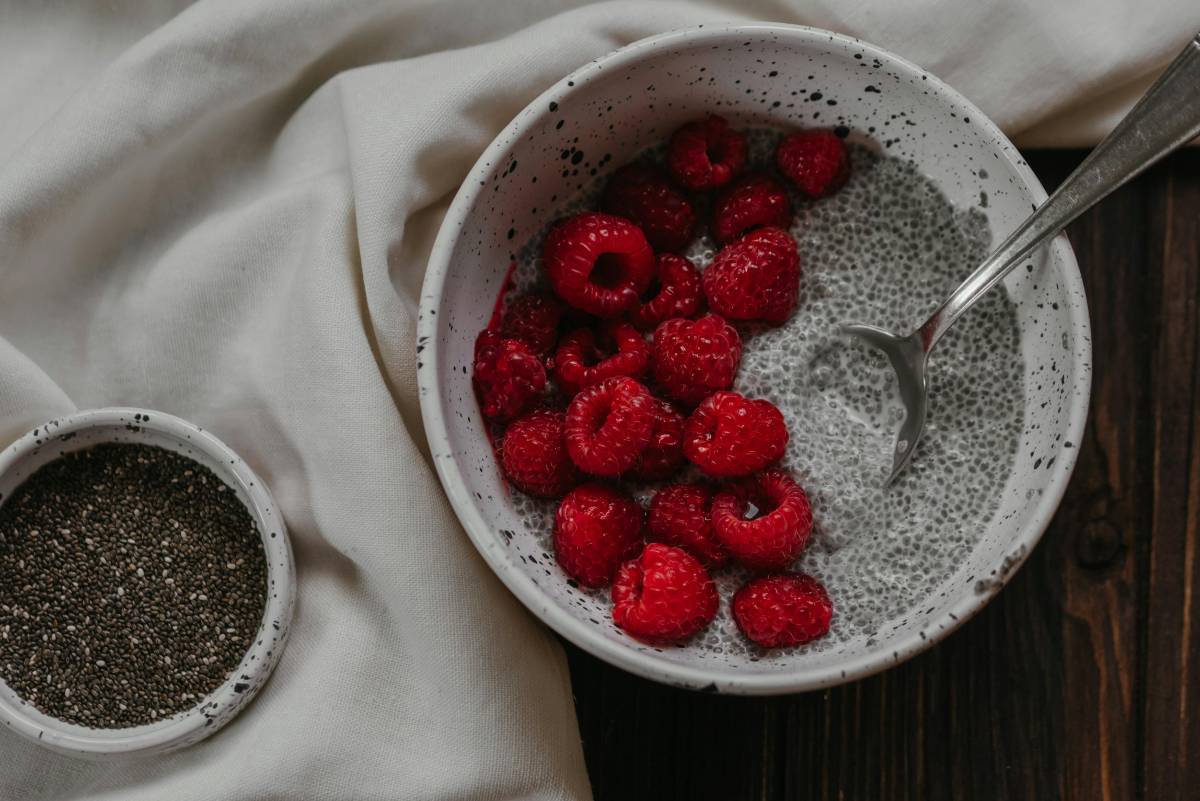
Weight loss can be a complex journey, often surrounded by myths and misconceptions. Understanding the truth behind common weight loss myths can help you make informed decisions and avoid pitfalls. Here are ten prevalent weight loss myths debunked.

2 min read | 11 Dec 2025
Mindful Eating: How to Avoid Overeating
Mindful eating is a practice that involves paying full attention to the experience of eating and drinking. It encourages being present during meals, which can help you avoid overeating and develop a healthier relationship with food. Here’s how mindful eating can help you manage portion sizes and prevent overeating.

3 min read | 10 Dec 2025
The Role of Exercise in Achieving Your Weight Loss Goals
Exercise plays a crucial role in achieving weight loss goals by boosting metabolism, burning calories, and improving overall health. Incorporating regular physical activity into your routine can enhance your weight loss efforts and contribute to long-term success. Here’s how exercise supports weight loss and how to effectively integrate it into your lifestyle.

2 min read | 09 Dec 2025
How to Create a Balanced Diet Plan for Weight Loss
Creating a balanced diet plan for weight loss involves incorporating a variety of nutrient-dense foods while maintaining a caloric deficit. A well-rounded diet plan not only helps in shedding pounds but also ensures you receive essential nutrients for overall health. Here’s how to create a balanced diet plan that supports effective and sustainable weight loss.

5 min read | 08 Dec 2025
Effective Strategies for Sustainable Weight Loss
Losing weight can be challenging, but focusing on sustainable strategies is key to long-term success. Crash diets and extreme methods often lead to short-term results, but a balanced and healthy approach is more effective for maintaining weight loss over time. Here are some strategies to help you achieve sustainable weight loss without compromising your health.
5 min read | 07 Dec 2025
Evaluating and Adjusting Your Weight Loss Plan Based on Tracking Data
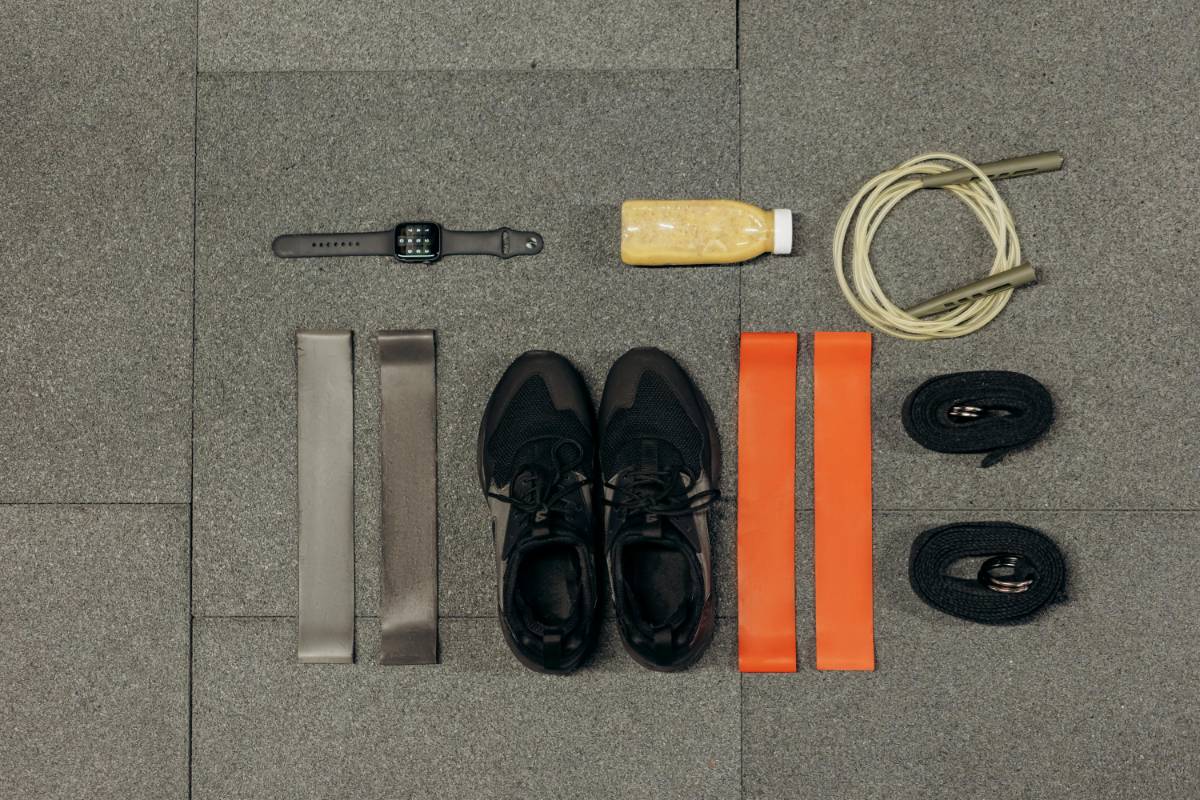
Effectively managing your weight loss plan requires more than just setting goals and following a regimen. It involves continuously evaluating your progress and adjusting your strategies based on tracking data. By regularly reviewing your data, you can make informed decisions, stay motivated, and improve your chances of achieving your weight loss goals. Here’s how to evaluate and adjust your weight loss plan using tracking data.
RECENT POSTS
1
Dealing with Weight Loss Plateaus
3 min read | 16 Oct 20252
The Role of Social Support in Achieving Weight Loss Goals
2 min read | 15 Oct 20253
How to Create a Balanced Daily Routine
4 min read | 14 Oct 20254
Managing Emotional Eating: Strategies and Tips
2 min read | 13 Oct 20255
The Importance of Regular Health Check-Ups
2 min read | 12 Oct 20256
Building Healthy Habits for Long-Term Weight Management
4 min read | 11 Oct 2025MORE POSTS

How to Develop a Personal Care Routine for Sensitive Skin
4 min read | 18 Dec 2025
Skincare Mistakes You Should Avoid
2 min read | 17 Dec 2025
The Power of Aromatherapy in Your Personal Care Routine
3 min read | 16 Dec 2025
Natural Ingredients to Look for in Personal Care Products
4 min read | 15 Dec 2025
How to Improve Your Oral Hygiene Routine
3 min read | 14 Dec 2025