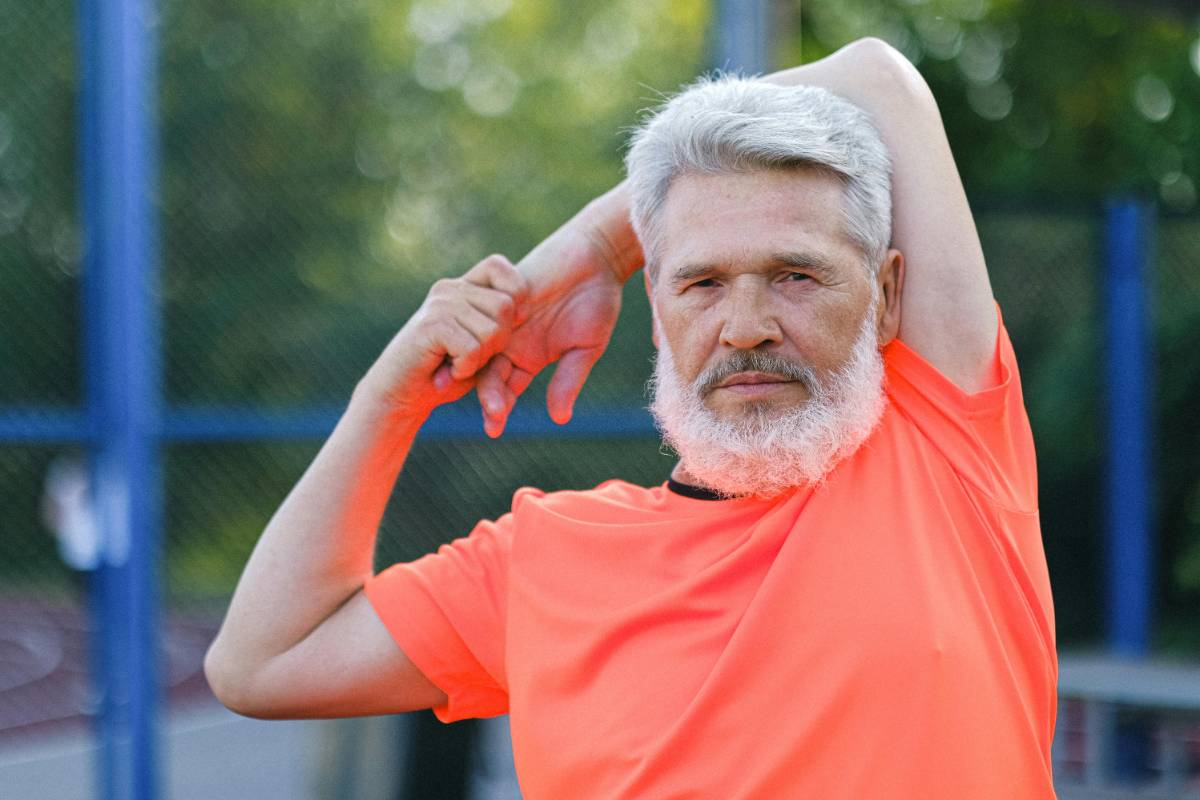
Core Training Routines for Better Athletic Performance

 By Sayan Gosh |
 3 min read
|17 Nov 2025Core training is essential for athletes aiming to enhance their performance. A strong core improves stability, power, and overall functional strength, which translates to better performance in various sports and activities. This article provides core training routines designed to boost athletic performance.
Why Core Strength Matters for Athletes
A strong core supports athletic performance in several key ways:
Improved Stability: A solid core stabilizes the body during dynamic movements, enhancing balance and control.
Enhanced Power Transfer: Core strength facilitates efficient power transfer between the upper and lower body, improving explosive movements and overall strength.
Injury Prevention: A well-developed core helps protect against injuries by supporting the spine and reducing strain on other muscles and joints.
Core Training Routines for Athletes
Here are some effective core training routines to integrate into your athletic training regimen:
Routine: Stability and Strength
Perform each exercise for 3 sets of 12-15 repetitions, with a 60-second rest between sets.
Plank Variations: Include front planks, side planks, and plank with leg lifts to target different areas of the core.
Russian Twists: Use a medicine ball or weight to add resistance and increase the challenge.
Dead Bugs: Focus on controlled movements to engage the deep core muscles.
Routine: Power and Speed
Perform each exercise for 3 sets of 10-12 repetitions, with a 60-second rest between sets.
Medicine Ball Slams: Use explosive movements to engage the core and improve power.
Kettlebell Swings: Incorporate swings to enhance core stability and power output.
Hanging Leg Raises: Focus on lifting your legs with control to target the lower abs.
Routine: Endurance and Conditioning
Perform each exercise for 3 rounds, with each round consisting of 45 seconds of work followed by 15 seconds of rest.
Mountain Climbers: Engage your core while performing rapid knee drives.
Bicycle Crunches: Aim for continuous movement to build endurance in the abs and obliques.
Flutter Kicks: Maintain a steady pace to challenge the lower abs and hip flexors.
Tips for Effective Core Training
To maximize the benefits of core training for athletic performance, consider these tips:
Focus on Form: Proper form is crucial to prevent injury and ensure that you’re effectively targeting the core muscles.
Incorporate Variety: Use a range of exercises to target different areas of the core and avoid plateaus.
Combine with Functional Training: Integrate core training with functional exercises to enhance overall athletic performance.
Progress Gradually: Increase the intensity and complexity of exercises as your core strength improves.
Conclusion
Core training is a fundamental component of athletic performance. By incorporating core routines focused on stability, power, and endurance, athletes can enhance their performance, reduce the risk of injury, and achieve better results in their respective sports. Make core training a regular part of your athletic regimen to build a stronger, more resilient body.
MORE ARTICLES

5 min read | 20 Sep 2025
Understanding Macronutrients: Carbs, Proteins, and Fats
Macronutrients are essential nutrients that the body needs in large amounts to function properly. They include carbohydrates, proteins, and fats, each of which plays a unique role in maintaining health and supporting bodily functions. Understanding these macronutrients and their functions can help you make informed dietary choices and achieve a balanced diet. In this article, we’ll explore the importance of each macronutrient, their sources, and how they contribute to overall health.

2 min read | 19 Sep 2025
The Importance of a Balanced Diet
A balanced diet is essential for maintaining good health and well-being. It provides the body with the necessary nutrients to function optimally and supports overall physical and mental health. In this article, we’ll explore the significance of a balanced diet, its components, and how to incorporate it into your daily routine.

3 min read | 18 Dec 2025
How to Develop a Personal Care Routine for Sensitive Skin
Sensitive skin requires special care and attention to avoid irritation and maintain its health. Developing a personal care routine for sensitive skin involves selecting gentle products and adopting practices that soothe and protect your skin. Here’s how to create a skincare routine tailored to sensitive skin.
5 min read | 17 Dec 2025
Skincare Mistakes You Should Avoid
Maintaining a skincare routine can significantly improve your skin’s health and appearance. However, certain mistakes can hinder your progress and even cause damage. To ensure you’re getting the best results from your skincare regimen, it’s important to avoid these common skincare mistakes.

3 min read | 16 Dec 2025
The Power of Aromatherapy in Your Personal Care Routine
Aromatherapy is a holistic approach to personal care that utilizes the therapeutic properties of essential oils to enhance physical and emotional well-being. Incorporating aromatherapy into your personal care routine can provide a range of benefits, from relaxation to improved skin health. Here’s how you can harness the power of aromatherapy to elevate your self-care regimen.
2 min read | 15 Dec 2025
Natural Ingredients to Look for in Personal Care Products
When choosing personal care products, opting for those with natural ingredients can offer numerous benefits for your skin and overall health. Natural ingredients are often less irritating and more environmentally friendly compared to synthetic alternatives. Here are some key natural ingredients to look for in personal care products and their benefits.
RECENT POSTS
1
Benefits of Using a Shaving Brush
2 min read | 13 Nov 20252
How to Choose the Right Razor for Your Skin
2 min read | 12 Nov 20253
Tips for Preventing Razor Burn
2 min read | 11 Nov 20254
The Importance of Using Aftershave Lotion
2 min read | 10 Nov 20255
How to Achieve a Smooth Shave Every Time
2 min read | 09 Nov 20256
Tips for Buying Fragrances Online
2 min read | 08 Nov 2025MORE POSTS

Essential Personal Care Products for Athletes and Fitness Enthusiasts
2 min read | 10 Dec 2025
How Personal Care Routines Can Impact Your Weight Loss Journey
5 min read | 09 Dec 2025
Effective Strategies for Weight Loss Through Diet and Exercise
2 min read | 17 Dec 2025
Creating a Holistic Approach: Combining Nutrition, Exercise, and Personal Care
3 min read | 16 Dec 2025
How to Incorporate Healthy Foods into Your Pre- and Post-Workout Meals
5 min read | 15 Dec 2025