How to Choose the Right Razor for Your Skin
 By Christin Hume |
 2 min read
|12 Nov 2025Selecting the right razor for your skin is crucial for achieving a smooth shave while minimizing irritation and discomfort. With numerous options available, choosing the right razor can be overwhelming. This guide will help you understand the different types of razors and how to select the one that best suits your skin type and shaving needs.
Types of Razors
Understanding the various types of razors available can help you make an informed choice:
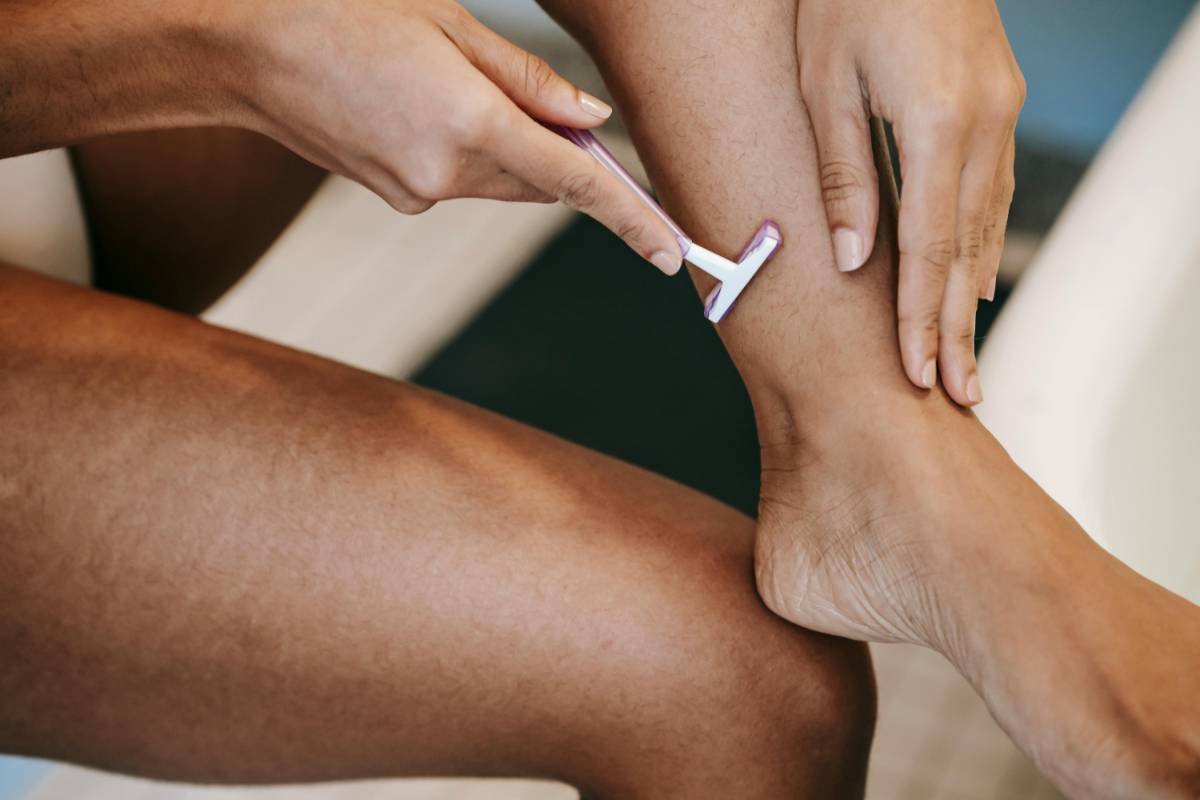
Manual Razors: Manual razors are traditional razors with a handle and replaceable blades. They come in various styles, including single-blade, double-blade, and multi-blade razors. Manual razors provide precise control and are often preferred for their effectiveness in achieving a close shave.
Electric Razors: Electric razors use rotary or oscillating blades to cut hair. They are convenient and can be used dry or with shaving cream. Electric razors are ideal for quick shaves and are often gentler on the skin, making them a good option for sensitive skin.
Safety Razors: Safety razors have a single, replaceable blade that is enclosed in a protective guard. They offer a close shave and are often favored for their precision. Safety razors can be a good choice for individuals with sensitive skin, as they reduce the risk of irritation compared to multi-blade razors.
Straight Razors: Straight razors, or cut-throat razors, have a single, sharp blade that is manually sharpened. They require skill and practice to use effectively but can provide an exceptionally close shave. Straight razors are often chosen by enthusiasts who appreciate the traditional shaving experience.
Factors to Consider When Choosing a Razor
When selecting a razor, consider the following factors to ensure it meets your needs:
Skin Type: Your skin type plays a significant role in determining the best razor for you. For sensitive skin, opt for a razor with fewer blades to reduce irritation. Electric razors or safety razors with a single blade can also be gentler on sensitive skin.
Hair Type: The thickness and coarseness of your hair can impact your razor choice. For thicker hair, a multi-blade razor or a powerful electric razor may be more effective. If you have fine hair, a single-blade razor or a less aggressive electric razor may suffice.
Shaving Frequency: If you shave daily, consider a razor that is gentle on the skin and reduces the risk of irritation. For occasional shavers, a more aggressive razor may be suitable. Electric razors can be a good option for daily use, while manual razors are effective for less frequent shaving.
Blade Count: The number of blades on a razor can affect the shave quality and comfort. Razors with multiple blades can provide a closer shave but may increase the risk of irritation. Single-blade razors or those with fewer blades can be less irritating and more suitable for sensitive skin.
Handle Design: The design and ergonomics of the razor handle can impact your shaving experience. Look for a handle that provides a comfortable grip and allows for precise control. Ergonomic handles with non-slip grips can help prevent accidents and ensure a smooth shave.
Features to Look For
Certain features can enhance the effectiveness and comfort of your razor:
Lubricating Strips: Many razors come with lubricating strips that contain moisturizing ingredients. These strips help reduce friction and irritation during shaving, making the shave more comfortable.
Pivoting Heads: Razors with pivoting or flexing heads can adjust to the contours of your face, providing a closer and more comfortable shave. This feature is particularly beneficial for areas with curves and angles.
Adjustable Settings: Some electric razors come with adjustable settings for different shaving needs. These settings allow you to customize the shave based on your skin type and hair thickness, enhancing comfort and effectiveness.
How to Test and Choose
Testing and evaluating razors can help you find the best option for your skin:
Try Different Types: If possible, try different types of razors to see which one feels most comfortable and effective. Many stores offer sample razors or trial sizes that allow you to test them before making a purchase.
Read Reviews: Research and read reviews from other users to gain insight into the performance and comfort of different razors. User feedback can provide valuable information on how well a razor works for specific skin types and hair types.
Consider Professional Advice: If you have specific skin concerns or conditions, consider seeking advice from a dermatologist or skincare professional. They can recommend razors that are best suited for your skin type and shaving needs.
Maintaining Your Razor
Proper maintenance of your razor can extend its lifespan and ensure a smooth shave:
Clean Regularly: Rinse your razor after each use to remove hair and shaving cream. This helps prevent clogging and ensures optimal performance.
Store Properly: Keep your razor in a dry place to prevent rust and deterioration. Avoid storing it in the shower or other damp environments.
Replace Blades: For manual razors, replace the blades regularly to maintain sharpness and effectiveness. Dull blades can cause irritation and reduce the quality of your shave.
Choosing the right razor for your skin involves understanding the different types of razors, considering your skin type and shaving needs, and evaluating key features. By selecting a razor that suits your individual preferences and maintaining it properly, you can achieve a comfortable and effective shave. Remember that finding the perfect razor may require some experimentation, but the right choice can make a significant difference in your shaving experience.
MORE ARTICLES

5 min read | 14 Oct 2025
How to Create a Balanced Daily Routine
Creating a balanced daily routine is essential for maintaining both physical and mental well-being. A well-structured routine can help you manage your time effectively, reduce stress, and ensure that you’re dedicating time to the activities that matter most. Whether you're juggling work, family, personal goals, or self-care, establishing a daily routine that balances these areas can lead to a more fulfilling and productive life.

5 min read | 13 Oct 2025
Managing Emotional Eating: Strategies and Tips
Emotional eating is a common response to stress, anxiety, boredom, and other emotions. It involves using food as a way to cope with feelings rather than to satisfy hunger. While it may provide temporary comfort, emotional eating can lead to unhealthy eating patterns, weight gain, and a negative impact on overall well-being. Understanding the triggers and learning how to manage emotional eating is crucial for maintaining a healthy relationship with food.

2 min read | 12 Oct 2025
The Importance of Regular Health Check-Ups
Regular health check-ups are a crucial aspect of maintaining overall well-being and preventing potential health issues. While many people may only visit the doctor when they feel unwell, routine check-ups play a vital role in early detection and management of various health conditions. By prioritizing these appointments, you can take proactive steps to safeguard your health and improve your quality of life.

4 min read | 11 Oct 2025
Building Healthy Habits for Long-Term Weight Management
Achieving and maintaining a healthy weight is a long-term commitment that involves building sustainable habits rather than relying on quick fixes. While fad diets and intense workout routines may offer temporary results, they often fail to provide lasting success. By focusing on creating healthy habits that you can maintain over time, you’ll be better equipped to manage your weight and improve your overall health.

5 min read | 10 Oct 2025
How Stress Impacts Your Weight and What You Can Do About It
Stress is a common part of life, but it can have a significant impact on your weight and overall health. Whether it’s due to work, personal relationships, or other factors, chronic stress can lead to weight gain or make it more challenging to lose weight. Understanding how stress affects your body and finding effective ways to manage it can help you maintain a healthy weight and improve your well-being.

3 min read | 09 Oct 2025
The Link Between Sleep and Weight Loss
The connection between sleep and weight loss is often overlooked, but it plays a crucial role in achieving and maintaining a healthy weight. Adequate sleep not only helps regulate your metabolism but also influences your appetite, energy levels, and overall well-being. Understanding the link between sleep and weight loss can help you make informed decisions about your health and fitness routine.
RECENT POSTS
1
The Impact of Caffeine and Alcohol on Hydration
3 min read | 20 Oct 20252
How to Incorporate Hydrating Foods into Your Diet
3 min read | 19 Oct 20253
Hydration Tips for Active Lifestyles
5 min read | 18 Oct 20254
Best Hydrating Beverages Beyond Water
2 min read | 17 Oct 20255
Signs of Dehydration and How to Prevent It
5 min read | 16 Oct 20256
Benefits of Staying Hydrated for Your Skin
2 min read | 15 Oct 2025MORE POSTS

The Importance of Regular Weigh-Ins
6 min read | 04 Dec 2025
How to Interpret Data from Fitness Trackers
6 min read | 03 Dec 2025
Setting Up and Using Weight Loss Goals and Milestones
6 min read | 02 Dec 2025
The Role of Mobile Apps in Weight Loss
7 min read | 01 Dec 2025
Tracking Progress: Beyond the Scale
8 min read | 30 Nov 2025