How to Recover After an Intense HIIT Session

 By Neha Jain |
 2 min read
|26 Oct 2025High-Intensity Interval Training (HIIT) can be demanding on your body, pushing your limits and delivering significant fitness benefits. However, proper recovery is crucial to maximize these benefits and prevent injury or burnout. In this article, we'll explore effective strategies for recovering after an intense HIIT session.
Cool Down
Cooling down is essential after any high-intensity workout. It helps to gradually lower your heart rate and prevent dizziness or fainting. Spend a few minutes performing light aerobic exercises, such as walking or slow jogging, followed by gentle stretching. Focus on the major muscle groups worked during your HIIT session.
Hydration
Replenishing lost fluids is critical for recovery. HIIT workouts often lead to significant sweating, which can cause dehydration. Drink plenty of water after your workout to help rehydrate your body. In cases of particularly intense sessions or hot weather, consider adding an electrolyte drink to replace lost salts and minerals.
Nutrition
Proper nutrition plays a vital role in recovery. After an intense HIIT session, aim to consume a balanced meal or snack that includes protein, carbohydrates, and healthy fats. Protein helps repair and build muscle tissue, while carbohydrates restore glycogen levels. Include foods like lean meats, whole grains, fruits, and vegetables in your post-workout meal.
Rest and Sleep
Adequate rest is essential for muscle recovery and overall well-being. Ensure you get enough quality sleep each night, as this is when your body performs most of its repair and recovery processes. If you’re feeling particularly sore or fatigued, consider taking an additional rest day or engaging in light activities such as walking or gentle yoga.
Foam Rolling
Foam rolling, or self-myofascial release, can help alleviate muscle soreness and improve flexibility. Use a foam roller to gently massage your muscles, focusing on areas that feel tight or sore. This technique can increase blood flow to the muscles and aid in the recovery process.
Active Recovery
Incorporating active recovery days into your routine can help maintain fitness while allowing your body to recover. Activities like light jogging, swimming, or cycling at a low intensity can keep your muscles engaged without placing additional strain on them. Active recovery promotes circulation and helps remove metabolic waste products from the muscles.
Stretching
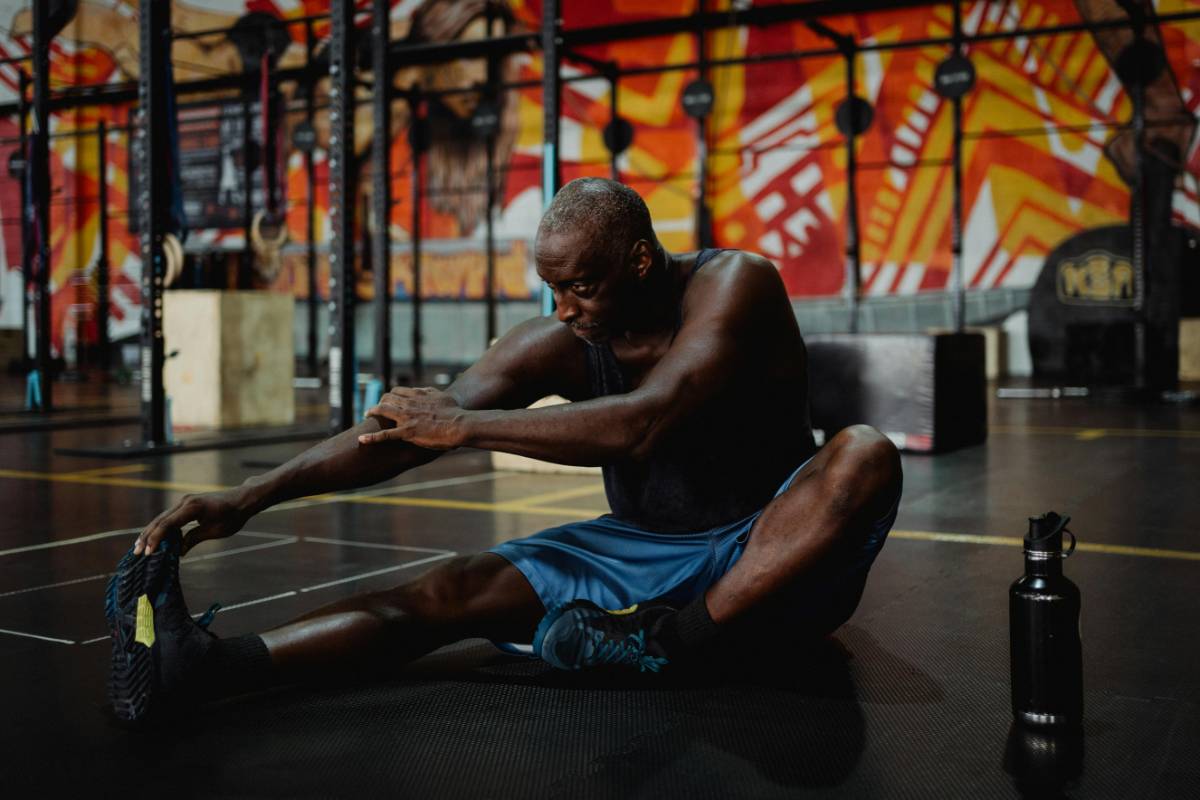
Stretching after your HIIT workout can help improve flexibility and reduce muscle stiffness. Focus on dynamic stretches during your warm-up and static stretches during your cool-down. Target the muscles that were most engaged during your workout, holding each stretch for 15-30 seconds.
Listen to Your Body
One of the most important aspects of recovery is listening to your body. Pay attention to signs of overtraining or excessive fatigue, and adjust your workout intensity or rest periods accordingly. If you experience persistent pain or discomfort, consider consulting a healthcare professional for advice.
Conclusion
Effective recovery after an intense HIIT session is essential for optimizing performance and preventing injury. By incorporating cool-downs, proper hydration, balanced nutrition, adequate rest, foam rolling, active recovery, and stretching into your routine, you can enhance your recovery and maintain overall fitness. Remember to listen to your body and make adjustments as needed to ensure you are ready for your next workout.
MORE ARTICLES

4 min read | 16 Oct 2025
Common Stretching Mistakes and How to Avoid Them
Stretching is a vital component of any fitness routine, contributing to improved flexibility, reduced muscle tension, and enhanced overall performance. However, many individuals make common stretching mistakes that can diminish the effectiveness of their stretches or even lead to injuries. In this article, we’ll identify common stretching mistakes and provide tips on how to avoid them to ensure a safe and effective stretching routine.

5 min read | 15 Oct 2025
Flexibility Routines for Athletes
Flexibility is crucial for athletes, as it enhances performance, reduces the risk of injuries, and aids in recovery. A well-designed flexibility routine can help athletes achieve better range of motion, improved muscle function, and overall physical balance. In this article, we’ll explore effective flexibility routines tailored for athletes, including key stretches and techniques to incorporate into your training regimen.

4 min read | 14 Oct 2025
How to Use Foam Rollers for Improved Mobility
Foam rolling is a popular technique used to enhance mobility, reduce muscle soreness, and improve overall muscle function. By using a foam roller, you can target specific areas of your body to relieve tension and increase flexibility. In this article, we’ll explore how foam rollers work, the benefits they offer, and tips for effectively incorporating them into your mobility routine.
5 min read | 13 Oct 2025
Incorporating Pilates into Your Flexibility Routine
Pilates is a versatile exercise method that focuses on strengthening the core, improving posture, and enhancing overall flexibility. By incorporating Pilates into your flexibility routine, you can achieve greater range of motion, balance, and strength. In this article, we’ll explore how Pilates can complement your flexibility routine, key exercises to include, and tips for getting the most out of your practice.
2 min read | 12 Oct 2025
Top 10 Stretching Exercises for Improved Flexibility
Improving flexibility is essential for overall fitness and well-being. Stretching exercises can help enhance your range of motion, reduce muscle tension, and prevent injuries. In this article, we’ll explore the top 10 stretching exercises that can help you achieve greater flexibility and maintain a balanced fitness routine.

3 min read | 11 Oct 2025
Dynamic vs. Static Stretching: What You Need to Know
Stretching is a crucial component of any fitness routine, but choosing the right type of stretching can make a significant difference in your performance and recovery. Two common types of stretching are dynamic and static stretching. Understanding the differences between these two methods and their respective benefits can help you incorporate them effectively into your exercise routine. In this article, we’ll explore dynamic and static stretching, their benefits, and when to use each type.
RECENT POSTS
1
Cooking with Whole Foods: Easy Recipes to Get Started
5 min read | 10 Oct 20252
How to Transition to a Whole Foods Diet
2 min read | 09 Oct 20253
Benefits of Eating Whole Foods for Your Health
4 min read | 08 Oct 20254
Whole Grains vs. Refined Grains: What’s the Difference?
2 min read | 07 Oct 20255
Incorporating More Fruits and Vegetables into Your Diet
3 min read | 06 Oct 20256
What Are Whole Foods and Why Are They Important?
5 min read | 05 Oct 2025MORE POSTS

Daily Habits for Healthier Hair
2 min read | 16 Dec 2025
Benefits of Regular Exfoliation for Healthy Skin
4 min read | 15 Dec 2025
How to Create a Relaxing Nighttime Skincare Routine
3 min read | 14 Dec 2025
Top Tips for Managing Stress Through Personal Care
2 min read | 13 Dec 2025
The Importance of Sunscreen: Protecting Your Skin Year-Round
3 min read | 12 Dec 2025