The Impact of Caffeine and Alcohol on Hydration

 By Oliver Davis |
 2 min read
|20 Oct 2025Hydration is essential for maintaining overall health, supporting physical performance, and ensuring proper bodily functions. However, certain beverages can have a significant impact on hydration levels. Caffeine and alcohol, two commonly consumed substances, can affect your body’s fluid balance in different ways. In this article, we’ll explore how caffeine and alcohol influence hydration and provide tips for managing their effects.
Understanding Caffeine's Effects
Caffeine, found in coffee, tea, energy drinks, and some sodas, is a well-known stimulant that can have diuretic effects. A diuretic is a substance that increases urine production, potentially leading to fluid loss. Here’s how caffeine affects hydration:
Diuretic Effect: Caffeine can cause increased urine output, which may contribute to a temporary reduction in fluid levels. However, this effect is generally mild for regular caffeine consumers, as tolerance can develop over time.
Fluid Balance: Despite its diuretic effect, moderate caffeine consumption does not significantly impact overall hydration when consumed in typical amounts. Studies have shown that caffeinated beverages can still contribute to daily fluid intake.
Caffeine and Hydration Tips: To manage the effects of caffeine on hydration, consider the following tips:
Monitor Intake: Keep track of your caffeine consumption to ensure it doesn’t exceed recommended limits. Aim to consume moderate amounts to avoid excessive diuretic effects.
Balance with Water: For every caffeinated beverage consumed, drink an equivalent amount of water to help maintain fluid balance.
Hydrate with Food: Include water-rich foods in your diet to support overall hydration, especially if you consume caffeine regularly.
Understanding Alcohol's Effects
Alcohol, present in beverages such as beer, wine, and spirits, also impacts hydration, primarily due to its diuretic properties. Here’s how alcohol affects fluid balance:
Increased Urine Production: Alcohol inhibits the release of antidiuretic hormone (ADH), which is responsible for regulating urine production. This inhibition leads to increased urine output and potential dehydration.
Fluid Loss: The diuretic effect of alcohol can result in significant fluid loss, especially with higher alcohol consumption. This loss can contribute to dehydration and negatively impact physical performance and well-being.
Alcohol and Hydration Tips: To mitigate the effects of alcohol on hydration, consider these strategies:
Stay Hydrated: Drink water alongside alcoholic beverages to counteract dehydration. Aim for one glass of water for every alcoholic drink to help maintain fluid balance.
Moderate Consumption: Limit alcohol intake to reduce its impact on hydration. The Centers for Disease Control and Prevention (CDC) recommends moderate drinking—up to one drink per day for women and up to two drinks per day for men.
Hydrate Before and After: Ensure you are well-hydrated before consuming alcohol and continue drinking water after to help replenish lost fluids.
Incorporate Hydrating Foods: Eat water-rich foods while drinking alcohol to support hydration and help offset fluid loss.
In Conclusion
Both caffeine and alcohol can impact hydration, though in different ways. Caffeine, while having a mild diuretic effect, does not significantly alter overall fluid balance when consumed in moderation. Alcohol, on the other hand, has a more pronounced diuretic effect that can lead to dehydration if consumed excessively. By monitoring intake, drinking water alongside these beverages, and incorporating hydrating foods into your diet, you can manage the impact of caffeine and alcohol on hydration and maintain optimal fluid balance for overall health and well-being.
MORE ARTICLES

3 min read | 12 Dec 2025
Top 10 Weight Loss Myths Debunked
Weight loss can be a complex journey, often surrounded by myths and misconceptions. Understanding the truth behind common weight loss myths can help you make informed decisions and avoid pitfalls. Here are ten prevalent weight loss myths debunked.

5 min read | 11 Dec 2025
Mindful Eating: How to Avoid Overeating
Mindful eating is a practice that involves paying full attention to the experience of eating and drinking. It encourages being present during meals, which can help you avoid overeating and develop a healthier relationship with food. Here’s how mindful eating can help you manage portion sizes and prevent overeating.
4 min read | 10 Dec 2025
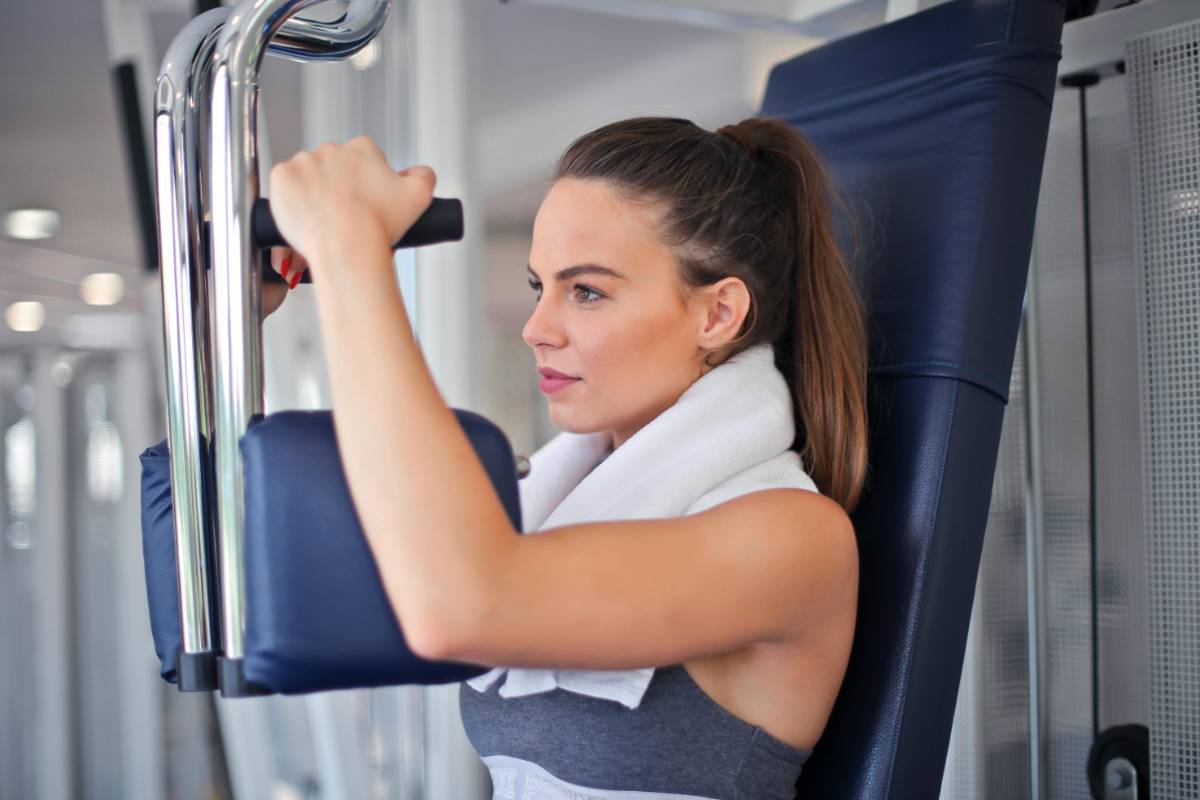
The Role of Exercise in Achieving Your Weight Loss Goals
Exercise plays a crucial role in achieving weight loss goals by boosting metabolism, burning calories, and improving overall health. Incorporating regular physical activity into your routine can enhance your weight loss efforts and contribute to long-term success. Here’s how exercise supports weight loss and how to effectively integrate it into your lifestyle.

5 min read | 09 Dec 2025
How to Create a Balanced Diet Plan for Weight Loss
Creating a balanced diet plan for weight loss involves incorporating a variety of nutrient-dense foods while maintaining a caloric deficit. A well-rounded diet plan not only helps in shedding pounds but also ensures you receive essential nutrients for overall health. Here’s how to create a balanced diet plan that supports effective and sustainable weight loss.

5 min read | 08 Dec 2025
Effective Strategies for Sustainable Weight Loss
Losing weight can be challenging, but focusing on sustainable strategies is key to long-term success. Crash diets and extreme methods often lead to short-term results, but a balanced and healthy approach is more effective for maintaining weight loss over time. Here are some strategies to help you achieve sustainable weight loss without compromising your health.
5 min read | 07 Dec 2025
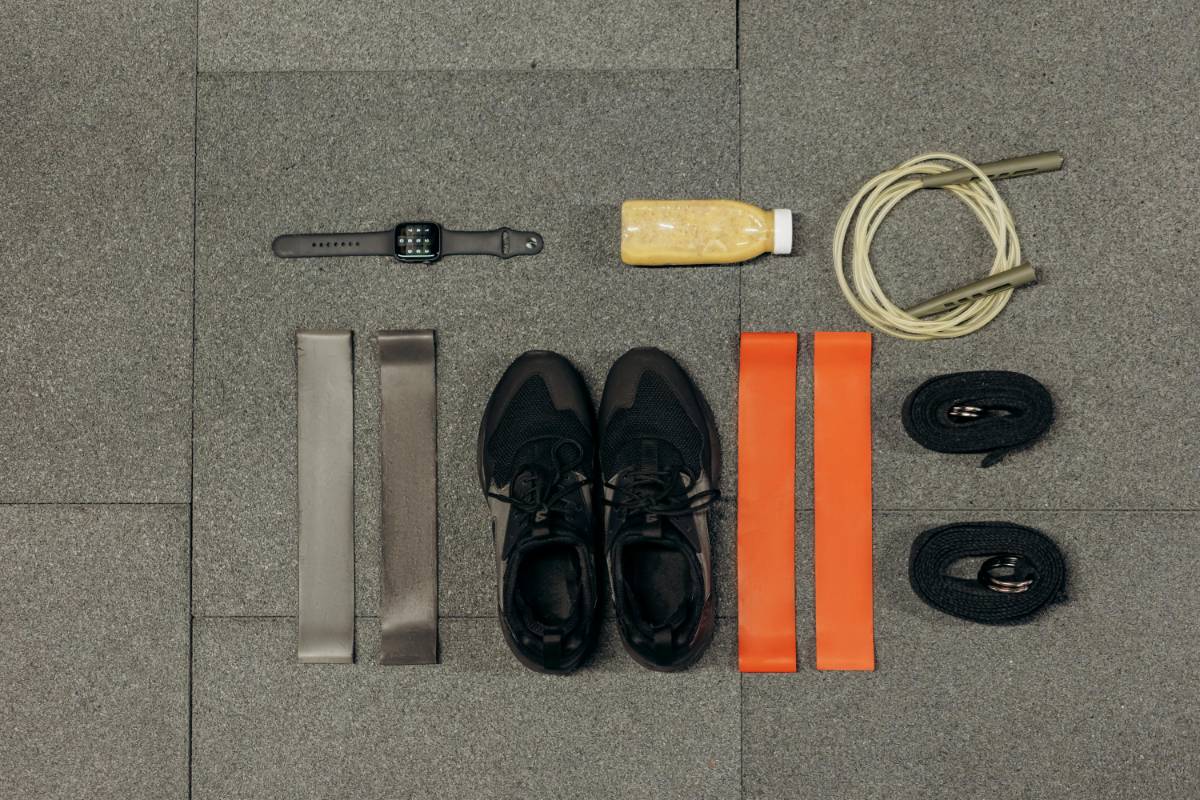
Evaluating and Adjusting Your Weight Loss Plan Based on Tracking Data
Effectively managing your weight loss plan requires more than just setting goals and following a regimen. It involves continuously evaluating your progress and adjusting your strategies based on tracking data. By regularly reviewing your data, you can make informed decisions, stay motivated, and improve your chances of achieving your weight loss goals. Here’s how to evaluate and adjust your weight loss plan using tracking data.
RECENT POSTS
1
How to Keep Your Skin Hydrated All Day
2 min read | 28 Oct 20252
Tips for Managing Eczema on the Body
2 min read | 27 Oct 20253
How to Create a Relaxing Bath Routine
4 min read | 26 Oct 20254
The Role of Essential Oils in Body Care
4 min read | 25 Oct 20255
Best Ingredients for Soothing Dry Skin
5 min read | 24 Oct 20256
How to Prevent and Treat Body Acne
5 min read | 23 Oct 2025MORE POSTS

The Role of Hydration in Personal Care
4 min read | 09 Dec 2025
How to Choose the Right Moisturizer for Your Skin
4 min read | 17 Dec 2025
Daily Habits for Healthier Hair
3 min read | 16 Dec 2025
Benefits of Regular Exfoliation for Healthy Skin
3 min read | 15 Dec 2025
How to Create a Relaxing Nighttime Skincare Routine
5 min read | 14 Dec 2025