Understanding Reps, Sets, and Rest Periods in Strength Training

 By Wilson Baker |
 2 min read
|28 Sep 2025When it comes to strength training, understanding the concepts of reps, sets, and rest periods is crucial for designing an effective workout routine. These fundamental components play a significant role in determining how your muscles respond to exercise, influence your progress, and help you achieve your fitness goals. In this article, we will explore what reps, sets, and rest periods are, how they affect your strength training, and how to use them to optimize your workouts.
What Are Reps and Sets?
In strength training, the terms "reps" and "sets" refer to specific elements of your workout routine:
Reps (Repetitions): A rep, or repetition, is a single complete motion of an exercise. For example, one rep of a bicep curl involves lifting and lowering the weight once. Reps are the building blocks of your workout and determine how many times you perform the exercise in a single set.
Sets: A set is a group of consecutive reps performed without resting. For instance, if you perform 10 bicep curls without stopping, you’ve completed one set of 10 reps. Sets are used to structure your workout and manage the volume of exercise you perform.
Choosing the right number of reps and sets depends on your fitness goals, whether you’re aiming for muscle growth, strength, endurance, or a combination of these. Here’s a general guide:
Muscle Growth (Hypertrophy): To build muscle, aim for 6-12 reps per set. This rep range provides enough tension and time under tension to stimulate muscle growth. Perform 3-4 sets of each exercise.
Strength: For increasing strength, focus on lower rep ranges, typically 1-5 reps per set. This range allows you to lift heavier weights and develop maximal strength. Perform 3-5 sets of each exercise.
Endurance: To improve muscular endurance, perform higher reps, usually 15-20 or more per set. This approach helps improve your muscles' ability to sustain prolonged exertion. Perform 2-4 sets of each exercise.
How Rest Periods Affect Your Training
Rest periods are the intervals of time you take between sets of an exercise. They play a critical role in how effectively your muscles recover and adapt to the training stimulus. Rest periods can vary depending on your training goals:
Muscle Growth (Hypertrophy): For muscle growth, rest periods of 30-90 seconds between sets are recommended. Shorter rest periods keep the muscles under tension and increase metabolic stress, promoting hypertrophy.
Strength: To maximize strength gains, longer rest periods of 2-5 minutes are beneficial. This allows for more complete recovery of your muscles and nervous system, enabling you to lift heavier weights in subsequent sets.
Endurance: For muscular endurance, shorter rest periods of 30-60 seconds are effective. This helps improve your muscles' ability to recover quickly and sustain performance over extended periods.
Combining Reps, Sets, and Rest Periods
To design an effective strength training program, you need to combine reps, sets, and rest periods in a way that aligns with your goals. Here’s how to integrate these components:
Goal Setting: Determine your primary fitness goals—muscle growth, strength, or endurance. Based on your goals, choose the appropriate rep range, number of sets, and rest periods.
Program Design: Structure your workout by selecting exercises that target different muscle groups. Incorporate a mix of compound and isolation exercises to ensure balanced development.
Progression: Gradually increase the intensity of your workouts by adjusting reps, sets, or rest periods. For example, you can increase the weight you lift, add more reps, or decrease rest periods to continue challenging your muscles.
Recovery: Allow adequate recovery between workouts to prevent overtraining and reduce the risk of injury. Ensure you get enough rest and nutrition to support muscle repair and growth.
Practical Tips for Effective Workouts
Here are some practical tips for optimizing your strength training using reps, sets, and rest periods:
Track Your Progress: Keep a workout log to track your reps, sets, and rest periods. This helps you monitor progress, identify patterns, and make informed adjustments to your training program.
Listen to Your Body: Pay attention to how your body responds to different rep ranges, sets, and rest periods. Adjust your workout based on factors such as fatigue, recovery, and performance.
Mix It Up: Incorporate variations in reps, sets, and rest periods to prevent plateaus and keep your workouts engaging. For example, you can alternate between high-rep and low-rep phases or adjust rest periods to target different aspects of fitness.
Consult a Professional: If you’re unsure how to design your strength training program or need guidance on optimizing reps, sets, and rest periods, consider consulting a certified personal trainer or fitness coach.
Common Mistakes to Avoid
Avoid these common mistakes when incorporating reps, sets, and rest periods into your strength training routine:
Skipping Rest Periods: Don’t rush through your workouts by skipping rest periods. Adequate rest is essential for recovery and performance.
Overtraining: Avoid excessive training volume or intensity without proper recovery. Overtraining can lead to fatigue, decreased performance, and increased risk of injury.
Ignoring Form: Ensure proper form and technique during exercises, regardless of the number of reps, sets, or rest periods. Poor form can lead to injury and reduced effectiveness.
Final Thoughts
Understanding and effectively managing reps, sets, and rest periods is key to optimizing your strength training results. By tailoring these elements to your fitness goals and incorporating them into a well-structured workout program, you can enhance muscle growth, strength, and endurance. Remember to listen to your body, track progress, and make adjustments as needed to achieve the best outcomes from your training routine.
MORE ARTICLES

5 min read | 09 Oct 2025
How to Transition to a Whole Foods Diet
Transitioning to a whole foods diet can be a transformative journey towards better health and well-being. Whole foods are minimally processed and retain most of their natural nutrients, offering numerous benefits such as improved digestion, better energy levels, and a reduced risk of chronic diseases. However, making this shift can be challenging if you're accustomed to a diet high in processed foods. This article provides a step-by-step guide on how to transition smoothly to a whole foods diet and maintain it long-term.

3 min read | 08 Oct 2025
Benefits of Eating Whole Foods for Your Health
Eating a diet rich in whole foods is one of the most effective ways to improve overall health and well-being. Whole foods are minimally processed and free from artificial additives, preservatives, and unhealthy fats, making them an excellent choice for maintaining good health. In this article, we will explore the numerous benefits of incorporating whole foods into your diet and how they can positively impact various aspects of your health.
4 min read | 07 Oct 2025
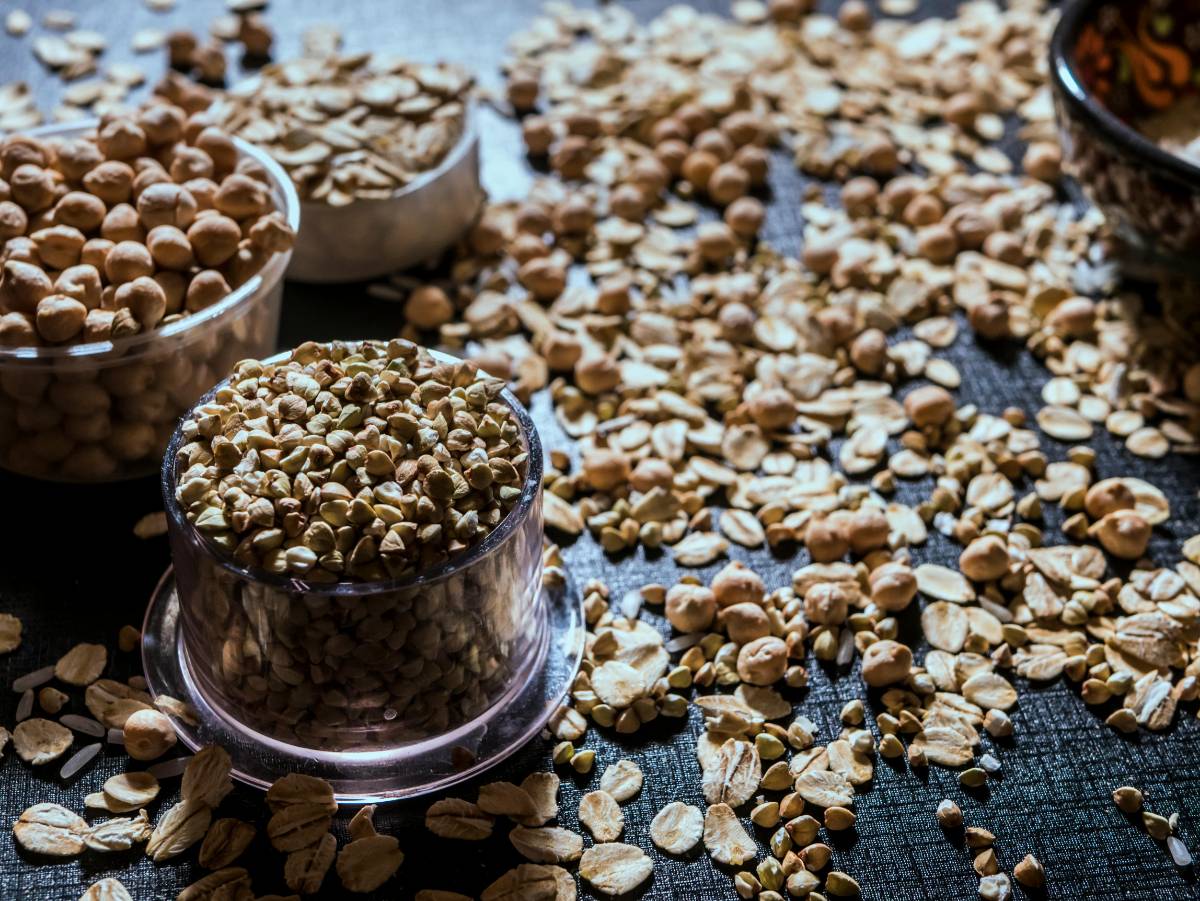
Whole Grains vs. Refined Grains: What’s the Difference?
Grains are a fundamental part of many diets around the world, providing a significant source of energy and essential nutrients. However, not all grains are created equal. Whole grains and refined grains differ significantly in their nutritional value and health benefits. Understanding these differences can help you make more informed dietary choices. In this article, we will explore what whole grains and refined grains are, their differences, and the impact they have on your health.

2 min read | 06 Oct 2025
Incorporating More Fruits and Vegetables into Your Diet
Eating more fruits and vegetables is essential for maintaining a healthy diet and overall well-being. They are packed with essential nutrients, vitamins, minerals, and fiber that support various bodily functions and can help prevent chronic diseases. This article will provide you with practical tips and strategies to increase your fruit and vegetable intake and make them a more prominent part of your diet.
5 min read | 05 Oct 2025
What Are Whole Foods and Why Are They Important?
Whole foods are foods that are minimally processed and free from artificial additives, preservatives, and refined ingredients. They are typically close to their natural state, which means they retain most of their nutrients and beneficial properties. In this article, we will explore what whole foods are, their importance in a balanced diet, and how incorporating them into your meals can benefit your overall health.

5 min read | 04 Oct 2025
The Impact of Portion Control on Digestive Health
Portion control is a fundamental aspect of a healthy diet and plays a crucial role in maintaining digestive health. Managing portion sizes not only helps regulate calorie intake but also impacts how efficiently your digestive system processes food. This article explores the relationship between portion control and digestive health, highlighting the benefits of mindful eating and providing tips for optimizing digestion through effective portion management.
RECENT POSTS
1
Balancing Your Plate: Portion Control Tips
4 min read | 26 Sep 20252
The Impact of Sugar on Weight Gain and How to Cut Back
2 min read | 25 Sep 20253
Healthy Snack Ideas to Curb Cravings
5 min read | 24 Sep 20254
How to Read Nutrition Labels Effectively
5 min read | 23 Sep 20255
The Benefits of Meal Prepping for Weight Loss
4 min read | 22 Sep 20256
Low-Carb vs. Low-Fat Diets: What Works Best?
4 min read | 21 Sep 2025MORE POSTS

Benefits of Drinking Water Before Meals
6 min read | 31 Oct 2025
How Much Water Should You Drink Each Day?
6 min read | 30 Oct 2025
The Importance of Staying Hydrated for Weight Loss
5 min read | 29 Oct 2025
Strategies for Building a Healthy Relationship with Food
6 min read | 28 Oct 2025
How to Handle Social Situations that Involve Food
4 min read | 27 Oct 2025