The Benefits of Using Natural Fragrances

 By Oliver Davis |
 2 min read
|05 Nov 2025Natural fragrances are becoming increasingly popular as people seek healthier and more eco-friendly alternatives to synthetic perfumes. Derived from natural sources such as flowers, fruits, and herbs, these fragrances offer a range of benefits that enhance both personal well-being and environmental sustainability. This article explores the advantages of using natural fragrances and why they might be a better choice for your scent experience.
Healthier Ingredients
Natural fragrances are made from ingredients sourced from nature, which often means fewer synthetic chemicals:
Fewer Chemicals: Natural fragrances typically contain fewer synthetic chemicals and allergens compared to their synthetic counterparts. This reduces the risk of skin irritation and allergic reactions.
Better for Sensitive Skin: For those with sensitive skin or allergies, natural fragrances can be a gentler option, as they are less likely to contain harsh chemicals that can cause adverse reactions.
Eco-Friendly and Sustainable
Natural fragrances are often more environmentally friendly and sustainable:
Sustainable Sourcing: Many natural fragrances are produced using sustainable practices, minimizing the impact on the environment. Ingredients are often harvested responsibly and ethically.
Biodegradable Ingredients: Natural fragrance ingredients are generally biodegradable, reducing the environmental footprint compared to synthetic chemicals that may persist in the environment.
Rich and Complex Scents
Natural fragrances offer a unique olfactory experience:
Authentic Aroma: Natural fragrances provide rich, authentic aromas derived from real plant materials. These scents can be more nuanced and complex compared to synthetic alternatives.
Individuality: Each natural fragrance is unique, reflecting the specific blend of ingredients used. This allows you to find a signature scent that is distinct and personal.
Holistic Benefits
In addition to their pleasant aromas, natural fragrances can offer holistic benefits:
Aromatherapy Benefits: Many natural fragrances are used in aromatherapy for their therapeutic properties. Scents like lavender and eucalyptus can promote relaxation, reduce stress, and enhance overall well-being.
Mood Enhancement: Natural fragrances can positively impact your mood and emotions. For example, citrus scents are known for their uplifting qualities, while woody notes can create a calming atmosphere.
Transparency and Safety
Natural fragrances often come with greater transparency regarding their ingredients:
Ingredient Transparency: Brands that produce natural fragrances usually provide detailed information about their ingredient sourcing and formulation, allowing you to make informed choices about what you apply to your skin.
Safer Formulations: Natural fragrances are less likely to contain harmful chemicals like phthalates, parabens, and artificial colorants, which are common in synthetic perfumes and can pose health risks.
The benefits of using natural fragrances extend beyond personal enjoyment, offering a healthier, more eco-friendly, and enriching scent experience. With fewer synthetic chemicals, sustainable practices, and holistic benefits, natural fragrances provide a thoughtful alternative to conventional perfumes. By choosing natural fragrances, you contribute to your well-being and the health of the planet, while enjoying unique and captivating aromas.
MORE ARTICLES

2 min read | 27 Sep 2025
The Science Behind Portion Control
Portion control is a fundamental aspect of maintaining a balanced diet and achieving overall health. It involves managing the amount of food consumed to ensure nutritional needs are met without overeating. The science behind portion control reveals how our body processes food, the factors influencing hunger and satiety, and practical strategies for effective portion management. This article delves into the scientific principles of portion control and how it can support a healthier lifestyle.

3 min read | 26 Sep 2025
Tips for Eating Balanced on a Budget
Eating a balanced diet is essential for maintaining good health, but it can sometimes seem challenging when working with a tight budget. Fortunately, it is possible to eat healthily without overspending. By planning meals, making smart food choices, and using effective shopping strategies, you can enjoy a nutritious diet while keeping costs down. This article provides practical tips for eating balanced on a budget.

3 min read | 25 Sep 2025
The Role of Portion Sizes in a Balanced Diet
Portion sizes play a crucial role in maintaining a balanced diet and supporting overall health. Proper portion control helps manage calorie intake, ensure nutrient balance, and prevent overeating. This article explores the importance of portion sizes in a balanced diet and provides practical tips for managing portions to achieve your health and nutrition goals.
2 min read | 24 Sep 2025
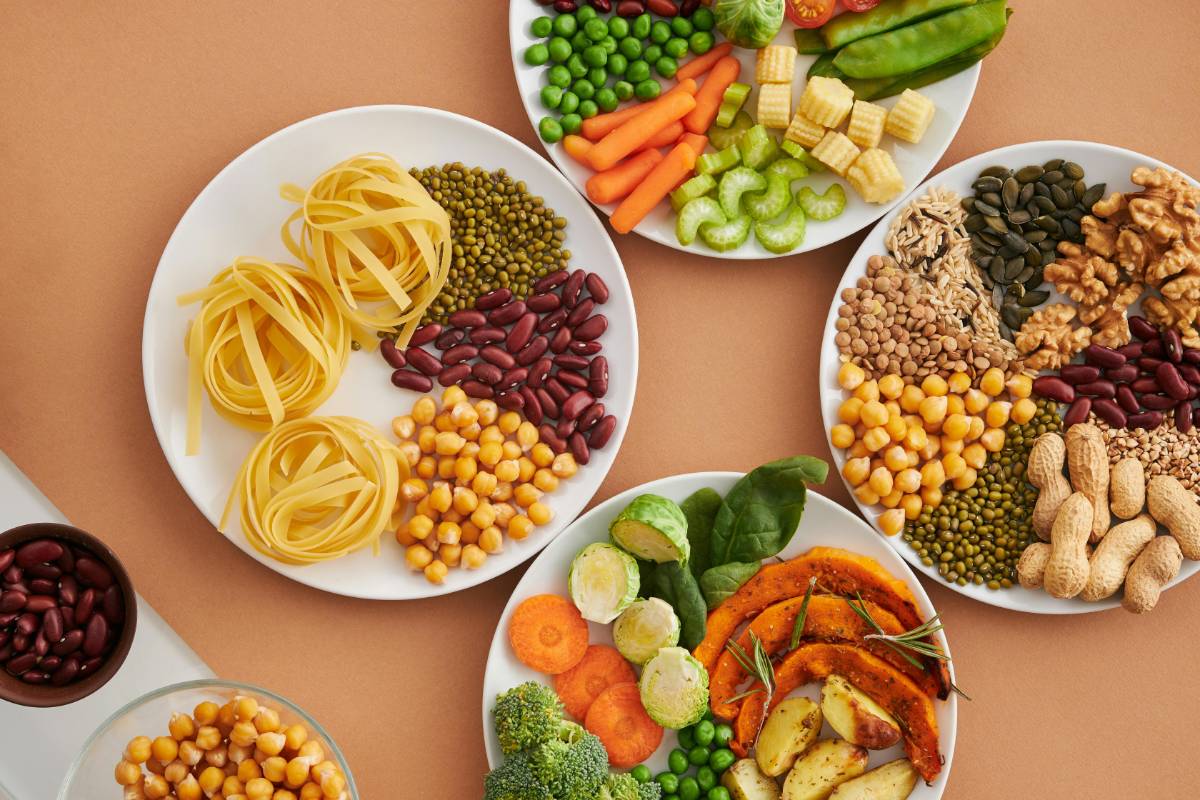
Common Myths About Balanced Diets Debunked
A balanced diet is crucial for maintaining good health, but various myths and misconceptions can cloud our understanding of what it truly involves. These myths can lead to confusion and unhealthy eating habits. This article aims to debunk common myths about balanced diets, providing clear and evidence-based information to help you make informed dietary choices.

2 min read | 23 Sep 2025
Balancing Nutrients for Different Life Stages
Nutrition plays a crucial role throughout our lives, but the specific nutrient needs can vary significantly depending on life stages. From infancy to old age, each stage of life has unique nutritional requirements to support growth, maintain health, and prevent chronic diseases. This article explores how to balance nutrients effectively at different life stages to promote overall well-being.

3 min read | 22 Sep 2025
How to Create a Balanced Meal Plan
Creating a balanced meal plan is key to maintaining a healthy lifestyle and achieving your dietary goals. A well-rounded meal plan ensures that you get the right proportions of nutrients needed to support overall health, energy levels, and well-being. In this article, we will guide you through the process of designing a balanced meal plan, including tips on portion control, meal variety, and nutrient balance.
RECENT POSTS
1
The Role of Portion Sizes in a Balanced Diet
3 min read | 25 Sep 20252
Common Myths About Balanced Diets Debunked
2 min read | 24 Sep 20253
Balancing Nutrients for Different Life Stages
2 min read | 23 Sep 20254
How to Create a Balanced Meal Plan
3 min read | 22 Sep 20255
Essential Micronutrients and Their Sources
2 min read | 21 Sep 20256
Understanding Macronutrients: Carbs, Proteins, and Fats
2 min read | 20 Sep 2025MORE POSTS

Advanced Core Exercises for Experienced Lifters
3 min read | 15 Nov 2025
How to Incorporate Core Training into Your Cardio Routine
2 min read | 14 Nov 2025
Top 5 Mistakes to Avoid in Core Training
5 min read | 13 Nov 2025
Using Stability Balls for Core Training
3 min read | 12 Nov 2025
Effective Core Workouts for Improved Posture
3 min read | 11 Nov 2025