Recipes Featuring Healthy Fats
 By Oliver Davis |
 5 min read
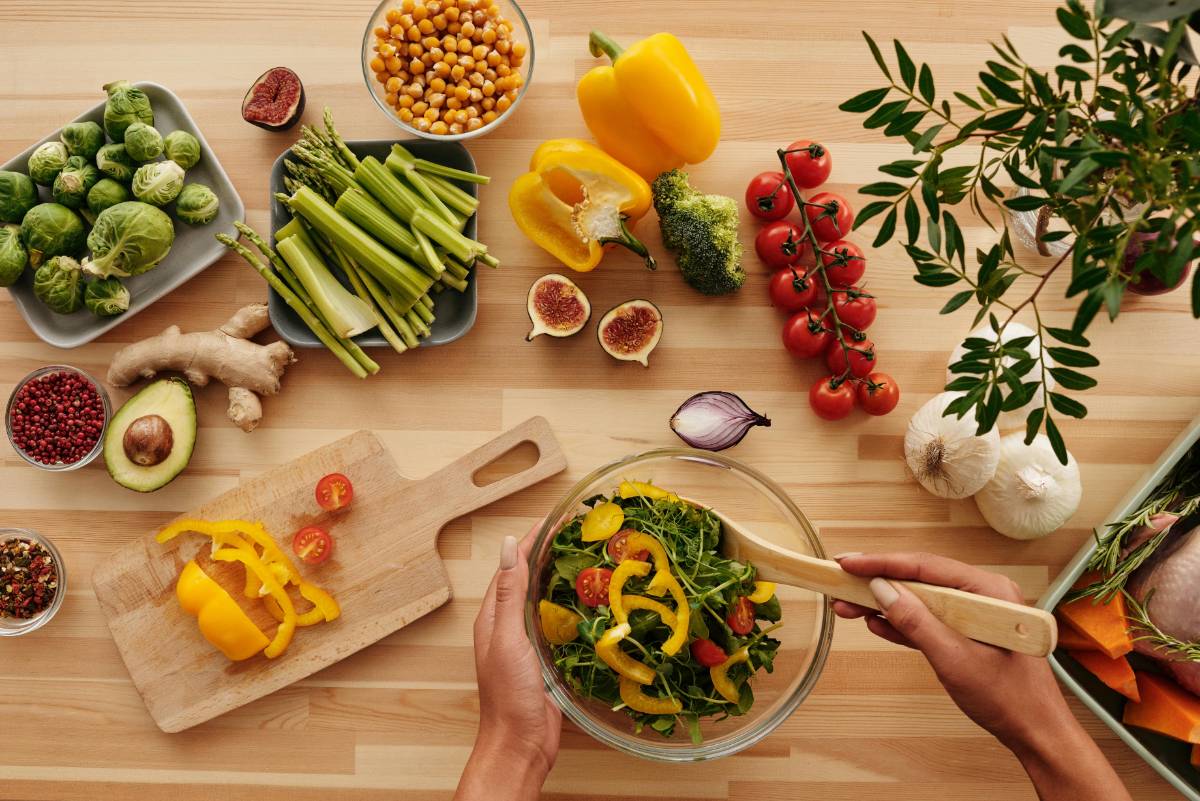
|05 Nov 2025Incorporating healthy fats into your diet can enhance flavor and provide essential nutrients. Healthy fats, such as those found in avocados, nuts, seeds, and certain oils, offer numerous health benefits, including improved heart health and better absorption of fat-soluble vitamins. Here are some delicious recipes featuring healthy fats that can help you enjoy a balanced diet while satisfying your taste buds.
Avocado and Black Bean Salad
This refreshing salad is packed with healthy fats from avocados and fiber from black beans. Combine diced avocados, cooked black beans, cherry tomatoes, red onion, and cilantro in a bowl. Toss with a dressing made from lime juice, olive oil, and a pinch of salt and pepper. This salad is not only delicious but also provides a good source of monounsaturated fats and antioxidants.
Salmon with Lemon and Dill
Salmon is an excellent source of omega-3 fatty acids, which are beneficial for heart health. Season salmon fillets with lemon juice, fresh dill, salt, and pepper. Bake or grill until cooked through and serve with a side of roasted vegetables or a fresh salad. This simple recipe highlights the rich, nutty flavor of salmon while delivering essential nutrients.
Chia Seed Pudding
Chia seeds are a great source of omega-3 fatty acids and fiber. To make chia seed pudding, combine chia seeds with almond milk, a touch of honey or maple syrup, and a splash of vanilla extract. Let it sit in the refrigerator overnight to thicken. Top with fresh berries and a sprinkle of nuts or seeds for added crunch and nutrition.
Nuts and Seeds Trail Mix
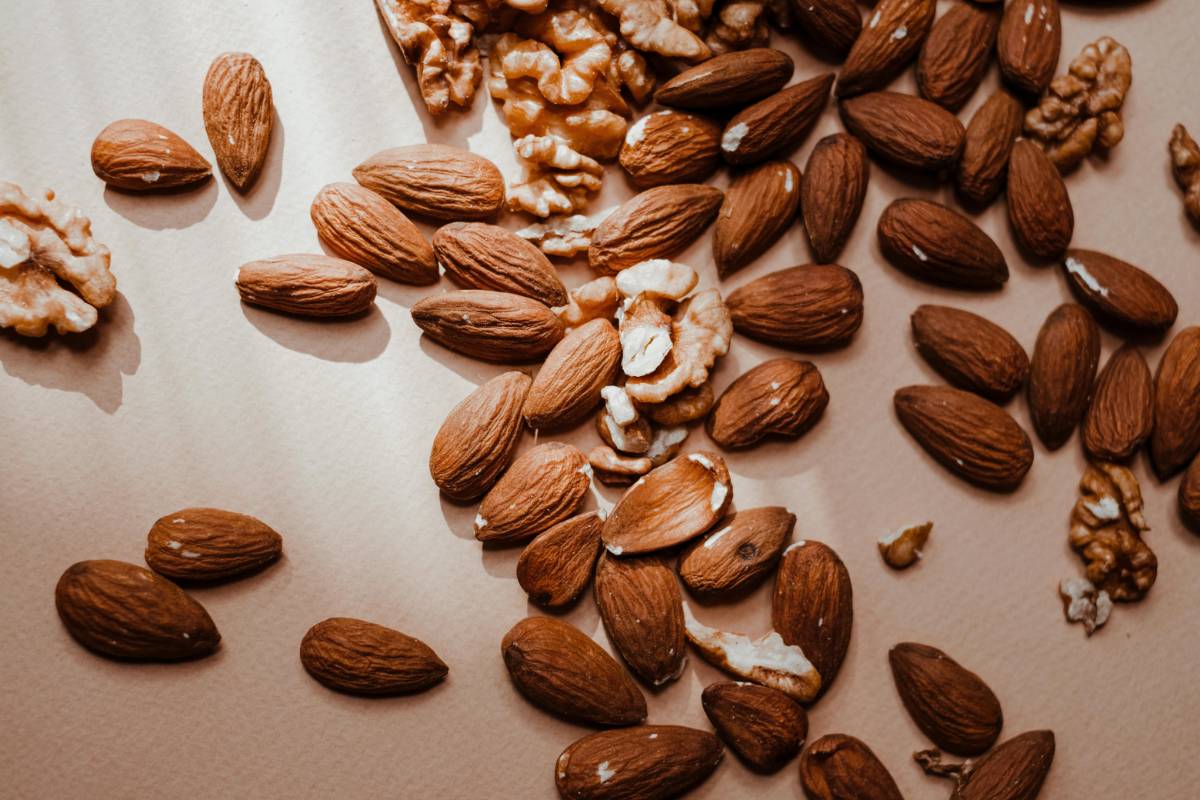
Creating your own trail mix is a great way to include healthy fats in your diet. Mix together a variety of nuts and seeds such as almonds, walnuts, pumpkin seeds, and sunflower seeds. You can also add some dried fruit for a touch of sweetness. This homemade trail mix is a perfect on-the-go snack that provides a satisfying crunch and plenty of healthy fats.
Quinoa and Spinach Stuffed Avocados
Stuffed avocados make for a filling and nutritious meal. Cook quinoa according to package instructions and mix it with sautéed spinach, garlic, and a bit of feta cheese. Cut avocados in half and remove the pit. Scoop out a little of the flesh to create space for the filling. Stuff each avocado half with the quinoa and spinach mixture, and drizzle with a balsamic glaze for added flavor.
Sweet Potato and Black Bean Tacos
Sweet potatoes and black beans are a great combination of healthy fats and fiber. Roast cubed sweet potatoes with olive oil, cumin, and paprika until tender. Warm black beans and season with lime juice and a pinch of salt. Assemble tacos using whole-grain tortillas, adding the roasted sweet potatoes and black beans. Top with avocado slices, fresh cilantro, and a squeeze of lime juice.
Almond-Crusted Chicken Tenders
Almonds provide healthy fats and a delicious crunch. For this recipe, coat chicken tenders in a mixture of crushed almonds, breadcrumbs, and spices. Bake or pan-fry until golden brown and cooked through. Serve with a side of roasted vegetables or a fresh green salad for a balanced meal. This dish offers a tasty way to include healthy fats in your diet.
Coconut Curry Soup
Coconut milk is rich in healthy fats and adds a creamy texture to soups. In a pot, sauté onions, garlic, and ginger until fragrant. Add curry powder and cook briefly before adding coconut milk, vegetable broth, and your choice of vegetables. Simmer until the vegetables are tender, and adjust seasoning to taste. Garnish with fresh cilantro and a squeeze of lime juice for a comforting and nutritious meal.
These recipes showcase a variety of ways to incorporate healthy fats into your meals, enhancing both flavor and nutrition. Whether you're making a light salad or a hearty soup, including sources of healthy fats like avocados, nuts, seeds, and fish can contribute to a balanced diet and overall well-being. Enjoy experimenting with these recipes and discovering new favorites that fit your dietary needs.
MORE ARTICLES
2 min read | 27 Oct 2025
Fiber and Heart Health: What You Need to Know
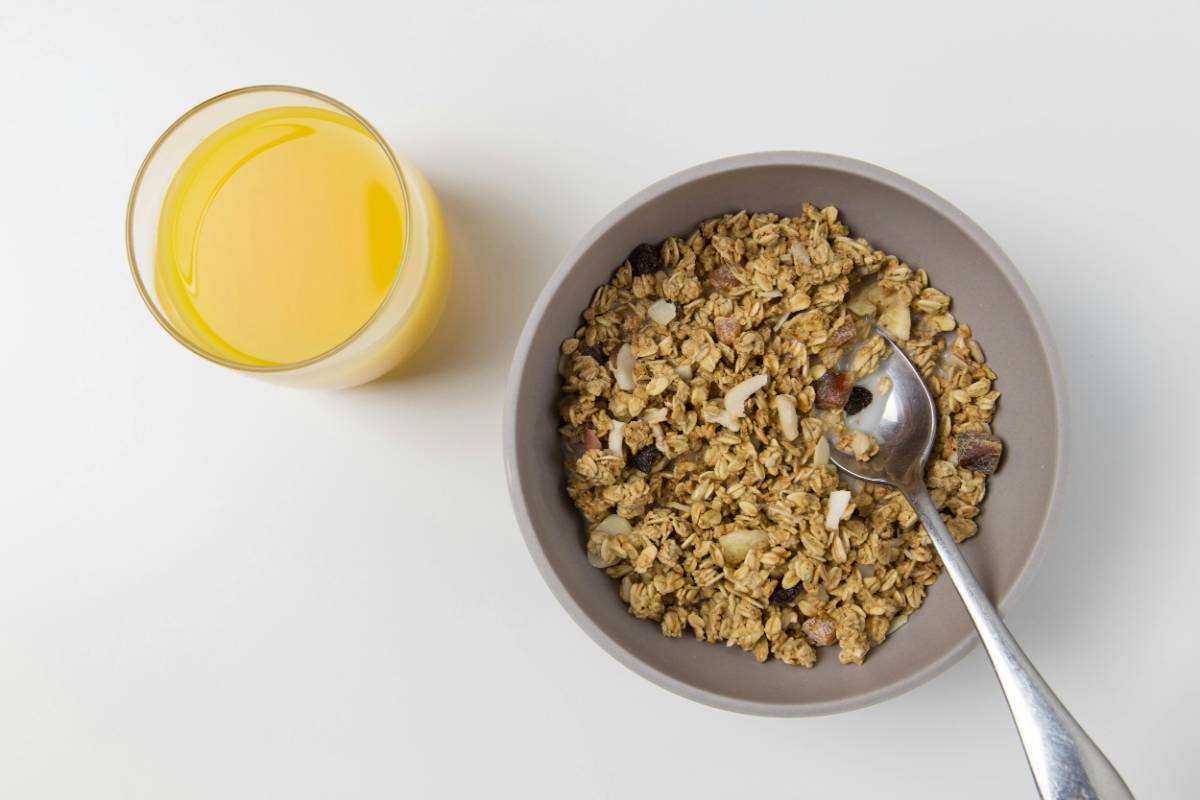
Fiber is often celebrated for its benefits to digestive health, but its impact on heart health is equally significant. A diet rich in fiber can contribute to reducing the risk of heart disease, managing cholesterol levels, and maintaining overall cardiovascular health. In this article, we’ll explore how fiber supports heart health, the types of fiber that are most beneficial, and practical ways to incorporate more fiber into your diet.

2 min read | 26 Oct 2025
How Fiber Affects Satiety and Weight Management
Fiber is an essential component of a healthy diet, renowned for its benefits to digestive health, heart health, and blood sugar control. One of its most significant roles, however, is its ability to promote feelings of fullness, or satiety, which can be a powerful tool in weight management. In this article, we’ll explore how fiber affects satiety, the mechanisms behind this effect, and how it can support your weight management goals.
3 min read | 25 Oct 2025
Soluble vs. Insoluble Fiber: What’s the Difference?
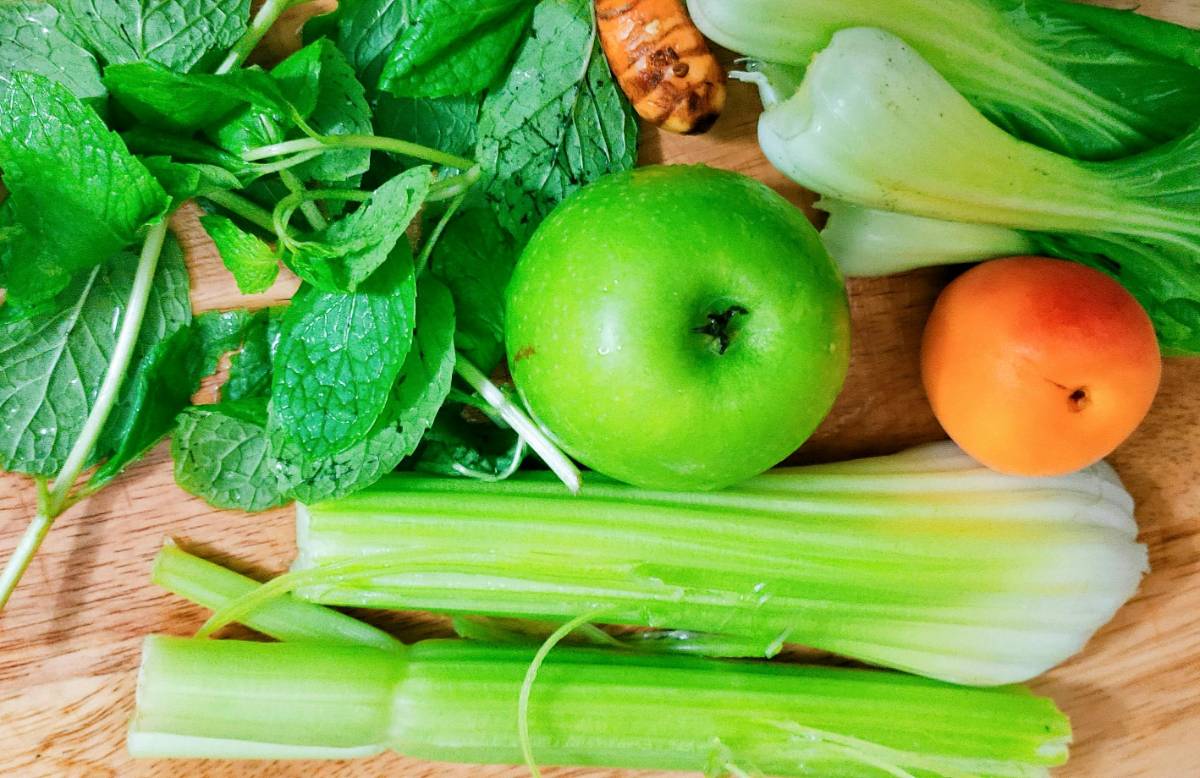
Fiber is an essential component of a healthy diet, known for its numerous benefits, including improved digestion, heart health, and blood sugar control. However, not all fiber is the same. It can be categorized into two main types: soluble and insoluble fiber. Each type plays a unique role in the body, offering distinct health benefits. In this article, we’ll explore the differences between soluble and insoluble fiber, their sources, and how to incorporate both into your diet for optimal health.

3 min read | 24 Oct 2025
The Role of Fiber in Managing Blood Sugar Levels
Managing blood sugar levels is crucial for overall health, particularly for individuals with diabetes or those at risk of developing the condition. One of the most effective dietary strategies for controlling blood sugar is increasing fiber intake. Fiber, a type of carbohydrate found in plant-based foods, plays a significant role in regulating blood sugar levels. In this article, we’ll explore how fiber helps manage blood sugar, the different types of fiber, and how to incorporate more fiber into your diet.
3 min read | 23 Oct 2025
How to Increase Fiber Intake Without Overdoing It
Increasing your fiber intake is a great way to support digestive health, manage weight, and enhance overall well-being. However, making significant changes to your diet can sometimes lead to digestive discomfort, especially if done too quickly. To ensure a smooth transition and maximize the benefits of fiber without overdoing it, follow these practical tips for increasing your fiber intake gradually and effectively.

2 min read | 22 Oct 2025
Top Fiber-Rich Foods to Add to Your Diet
Incorporating fiber-rich foods into your diet is essential for maintaining digestive health, managing weight, and supporting overall well-being. Fiber, a type of carbohydrate found in plant-based foods, aids in digestion, helps regulate blood sugar levels, and promotes a healthy gut. If you’re looking to increase your fiber intake, consider adding the following top fiber-rich foods to your meals and snacks.
RECENT POSTS
1
The Benefits of Planning Your Meals Ahead
3 min read | 22 Nov 20252
Benefits of a Low-Sodium Diet
4 min read | 21 Nov 20253
How to Balance Salt and Flavor in Your Meals
4 min read | 20 Nov 20254
The Impact of Salt on Blood Pressure
2 min read | 19 Nov 20255
Tips for Eating Out While Watching Your Sodium Intake
5 min read | 18 Nov 20256
Low-Sodium Alternatives and Substitutes
5 min read | 17 Nov 2025MORE POSTS
Common Myths About Balanced Diets Debunked
3 min read | 24 Sep 2025
Balancing Nutrients for Different Life Stages
2 min read | 23 Sep 2025
How to Create a Balanced Meal Plan
2 min read | 22 Sep 2025
Essential Micronutrients and Their Sources
5 min read | 21 Sep 2025
Understanding Macronutrients: Carbs, Proteins, and Fats
2 min read | 20 Sep 2025